

Discover how homemade hair growth oils and masks can transform your hair naturally. This article explores the effectiveness of rosemary oil, guides you through creating your own rosemary-infused oil, and provides step-by-step instructions for natural hair care solutions.
Table of Contents
Understanding Hair Health and Natural Hair Care
Understanding the structure of hair is key to unlocking optimal hair health. Each strand is composed of three layers: the medulla, cortex, and cuticle. The cuticle, as the outermost layer, protects hair from environmental and mechanical stress.
Thinning and breakage often occur when this protective layer is compromised by heat styling, harsh chemicals, or nutritional deficiencies, leading to weaker strands and slower growth. Genetic predispositions, aging, and hormonal changes also contribute to these problems. Natural ingredients have been used in hair care for centuries across cultures, with countless homemade remedies crafted to restore health and growth.
Many people turn to these natural alternatives as commercial hair products may include synthetic additives, allergens, or irritants, and are regulated to ensure only certain concentrations of actives are permissible. Homemade oils and masks put control and transparency in your hands, allowing custom blends for your unique hair needs.
Benefits of Homemade Hair Growth Oils
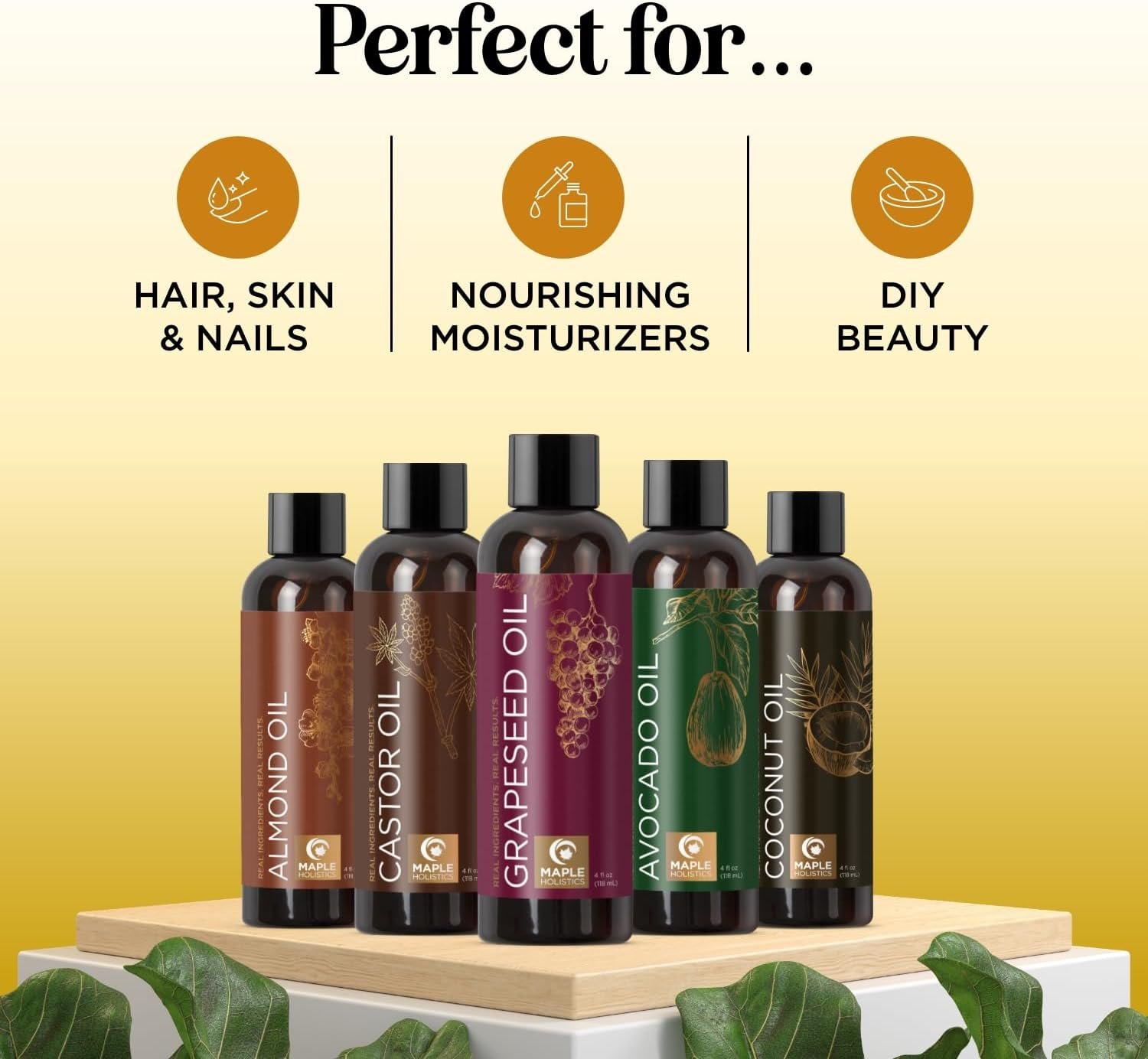
Harnessing the benefits of homemade hair growth oils is rooted in both ancient tradition and emerging scientific insights. Crafted from a blend of carrier oils and potent essential oils, these mixtures deliver targeted nourishment directly to hair follicles. Carrier oils like coconut, jojoba, olive, and sweet almond are rich in fatty acids and vitamins, deeply hydrating the scalp and sealing in moisture. Essential oils especially rosemary, peppermint, and tea tree bring active compounds that boost circulation, reduce inflammation, and create an optimal environment for hair growth.
These natural oils help follicles receive more nutrients and oxygen, fortifying the hair shaft, preventing breakage, and stimulating healthy renewal. The popularity of such oils in DIY routines stems from their purity, customizable properties, and the avoidance of synthetic additives, making them an accessible and effective choice for anyone pursuing stronger, healthier hair at home.
The Power of Rosemary in Hair Care
Rosemary, revered for centuries in the Mediterranean region, is more than just a kitchen staple—its botanical name, Rosmarinus officinalis, reveals a potent source of natural care for hair and scalp. Historical texts and folk traditions speak to rosemary’s legendary ability to rejuvenate the scalp and foster a healthy environment for hair.
Modern research supports these traditions, highlighting *rosemary’s anti-inflammatory abilities* that soothe irritation and promote comfort for sensitive scalps. Its *circulation-boosting effects* stimulate blood flow to hair follicles, ensuring they receive essential nutrients needed for robust growth and strength. Furthermore, the herb’s *antimicrobial properties* fight against bacteria and fungi, helping manage dandruff and other common scalp issues.
These unique qualities explain rosemary’s popularity in homemade hair growth oils and masks, making it a favored remedy for those seeking healthier, more resilient hair using nature’s own ingredients.
How to Make Your Own Rosemary Oil for Hair
Creating your own rosemary oil for hair allows you to customize both potency and purity, maximizing rosemary’s benefits. To start, select fresh rosemary whenever possible—harvest sprigs early in the morning for the highest essential oil content, or choose organically grown sprigs from a local market. For the infusion method, thoroughly wash and dry a handful of rosemary to prevent mold, then submerge it in a heat-stable carrier oil such as jojoba, sweet almond, or extra virgin olive oil.
Warm slowly on low heat for two to four hours, or let it sit in a sealed jar in a warm spot for up to two weeks, shaking daily. For a quicker option, blend a few drops of pure rosemary essential oil into your chosen carrier. Store all oils in dark glass bottles, away from direct sunlight. Always do a patch test to ensure the oil suits your skin.
Homemade Hair Masks for Enhanced Growth and Strength
For enhanced growth and strength, hair masks crafted with natural ingredients can provide targeted nourishment to complement your rosemary oil treatments. For dry or curly hair, combine 2 tablespoons of avocado with 1 tablespoon of homemade rosemary oil and a tablespoon of honey for intense moisture and shine.
If your goal is strengthening, blend 2 tablespoons of Greek yogurt with 1 tablespoon rosemary oil and 1 egg, working this protein-rich mask through the mid-lengths and ends. For soothing the scalp and reducing irritation, mix 1 tablespoon aloe vera gel, 1 tablespoon rosemary oil, and a few drops of tea tree essential oil. Apply your chosen mask to clean, damp hair, focusing on the scalp and lengths as needed, then cover with a shower cap and leave for 20–40 minutes before rinsing thoroughly.
For best results, use these masks once weekly, alternating with your rosemary oil scalp massages for balanced, healthy hair growth.
Conclusions
Homemade hair growth oils and masks harness natural ingredients like rosemary for safer, effective hair care. By understanding their benefits and preparation methods, you empower yourself to cultivate healthier, stronger hair while avoiding harsh chemicals. Begin your journey to naturally beautiful hair today.
For additional tips, check out this guide from a trusted source: American Academy of Dermatology – Hair Care