

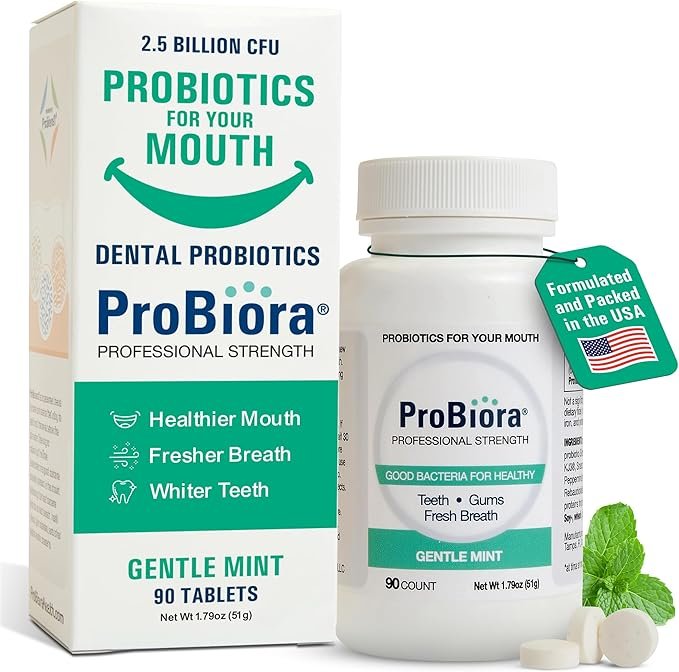
Probiotic oral care is transforming oral health shopping, but real results and integration with traditional hygiene depend on scientific evidence and smart product choices. If you already use fluoride toothpaste, floss, and occasional mouthwash, read on for actionable guidance with real tradeoffs—before you spend premium prices on microbiome-friendly products.
Key Takeaways
- Probiotic oral care products can modestly support plaque and gum health, but benefits depend on specific strains, delivery, and consistent daily use.
- Premium probiotic/prebiotic toothpastes and mouthwashes cost significantly more than conventional products and should never replace fluoride toothpaste or regular mechanical cleaning.
- Clinical evidence for gut or systemic benefits from oral probiotic hygiene products is lacking; safety is good in healthy adults, but long-term data is limited.
- What “probiotic oral care” and “prebiotic mouthwash” actually mean
- The bottom line from recent clinical evidence (2019–2024)
- Key clinical findings product-by-product (toothpaste, mouthwash, lozenges)
- Which probiotic strains and formulations have the best evidence — and why strain specificity matters
- Safety, tolerability, and common user complaints
- How to choose a product — practical checklist for shoppers
- How to use probiotic oral care with your existing routine (timing, sequencing, and likely synergies)
- Regulatory, labeling, and quality-control issues to watch (US vs EU)
- Market snapshot (2025 outlook) — size, growth, and category positioning
- What the best evidence DOESN’T show (gaps and where to be skeptical)
- Quick buyer’s decision flowchart (short list) — who should try them, when to avoid
- Callouts and resources
- FAQ
What “probiotic oral care” and “prebiotic mouthwash” actually mean
Probiotic oral care refers to toothpaste, mouthwash, lozenges, or supplements containing live microorganisms shown to support aspects of oral health—typically strains of Lactobacillus, Streptococcus (including S. salivarius K12/M18), or Bifidobacterium. prebiotic mouthwash contains non-digestible fibers or compounds (like inulin or xylitol) to feed beneficial oral bacteria, rather than adding new microbes.
Live-culture probiotic toothpaste and lozenges deliver bacteria directly to the mouth, aiming to crowd out harmful pathogens like S. mutans (linked to cavities) or reduce gingival inflammation. In comparison, prebiotic mouthwashes support your native good bacteria. Marketing claims typically emphasize balancing the oral microbiome, fighting “bad” bacteria, or even supporting “mouth-gut health”—but robust evidence for all these claims is highly variable.
It’s important to note: probiotic oral care currently holds less than 5% of total market share, yet is growing rapidly. Most products are adjuncts, not alternatives, to fluoride-based hygiene and lack approval as standalone cavity or gum-disease treatments.

The bottom line from recent clinical evidence (2019–2024)
Research since 2019 shows that probiotic dental care—across toothpaste, mouth rinses, and lozenges—offers modest, adjunctive benefits for oral health: healthier plaque pH, reductions in gingival inflammation, and slight improvements in clinical periodontal parameters.
For example, a 30-day adult RCT showed plaque pH improving from 5.89 to 6.52 and gingival index dropping from 1.83 to 0.97 with daily probiotic supplements, even when regular oral hygiene continued (source).
However, evidence for “mouth-gut health oral care”—that is, any gut microbiome, immune, or systemic impact from these products—is minimal to absent (clinical trial protocol).
In short: expect support for gingivitis, plaque, and maybe breath—not big effects on holistic or gut health.
Key clinical findings product-by-product (toothpaste, mouthwash, lozenges)
Adjunctive oral probiotics toothpaste, prebiotic mouthwash, and Probiotic lozenges each have human studies, but real benefits depend on strain, format, and duration:
- Probiotic lozenges: Short-term RCT in children showed pleasant taste and no adverse events, but trends (not statistically significant) for improved salivary pH and decreased S. mutans (source).
- Prebiotic mouthwash: Compared favorably to chlorhexidine in reducing gingival inflammation in a 45-child trial (study).
- Oral probiotics toothpaste: Adult trials show increases in plaque pH and improvement in gingival index, but changes are modest (see previous adult RCT).
Most improvements occur within 2–4 weeks of adjunctive use alongside regular brushing. There are no strong data that any probiotic/prebiotic toothpaste or rinse replaces the value of fluoride or routine mechanical cleaning.
Which probiotic strains and formulations have the best evidence — and why strain specificity matters
Only certain probiotic strains have robust data behind oral health claims, according to recent reviews and meta-analysis (source). Notable strains include:
- L. rhamnosus GG (and RC-14): Reduces caries bacteria and modestly improves gingival metrics.
- L. reuteri: Strongest in reducing P. gingivalis and A. actinomycetemcomitans in periodontitis.
- S. salivarius K12 and M18: Suppresses S. mutans, useful for breath and caries risk.
- B. animalis subsp. lactis: Periodontal support.
- L. paracasei: Emerging data for caries and gum health.
These act through bacteriocin production, lowering acidity, and niche colonization. Generic marketing (“contains probiotics!”) is meaningless if the specific tested strains, vehicle (toothpaste, lozenge, rinse), and dosages are not listed on the label.
Never assume one probiotic oral care product works just because another with a similar claim does—strain, format, and survivability matter.
Safety, tolerability, and common user complaints
Overall, probiotic oral care is well-tolerated in healthy adults and children according to clinical studies (source). Trials seldom report adverse events; even in a 30-day pediatric lozenge trial, no adverse events were seen.
However, consumer reviews and post-market experience highlight:
- Taste and texture problems: Some users find probiotic lozenges chalky or the toothpaste “odd” compared to minty standards.
- Perceived lack of benefit: Users sometimes see no tangible results, especially for breath or sensitivity.
- Mild GI or oral side effects: A minority get bloating, itching, or canker-like irritation (rarely allergy).
- High cost: Probiotic toothpaste is often 2–4 times pricier than mainstream brands. Live-culture products may need refrigeration or expire faster.
A final caveat: Immunocompromised individuals or those with history of strong allergies should avoid these products unless under dental supervision.
How to choose a product — practical checklist for shoppers
Making a smart investment in oral probiotics toothpaste or prebiotic mouthwash? Use this checklist before you buy:
- Strain identity and dose: Look for genus, species, and strain (e.g. L. reuteri DSM 17938) plus CFU at expiry, not “billions on manufacture.”
- Delivery form: Toothpaste for brushing, lozenges for tongue and throat, mouthwash for whole mouth. Match the format studied in strong clinical evidence.
- Storage: Live-culture products (especially lozenges) may require refrigeration for potency.
- Third-party testing: Seek NSF, USP verified, or “microbiome-friendly” certification—although no mandatory standard exists.
- Price-value: Expect to pay $8–20 for probiotic toothpaste, $10–25 for prebiotic mouthwash, and $15–35 for a 30–60 count lozenge box (RCT pricing). Premium products cost 2–4 times mass-market brands.
- Regulatory clarity: Products in the EU or US with only general “microbiome” claims are often supplements or cosmetics, not drugs.
- Reviews and feedback: Check for real-world reviews highlighting both efficacy and complaints (taste, storage, lack of short-term effect).
How to use probiotic oral care with your existing routine (timing, sequencing, and likely synergies)
Research and reviews agree: the greatest benefits of probiotic dental care arise when they’re used as an adjunct—not as a replacement for brushing, flossing, or fluoride.
Practical protocol:
- Brush morning and night with fluoride toothpaste. If using oral probiotics toothpaste, use it as a second brush or alternate days.
- Floss as normal.
- If you use mouthwash, space potent antiseptic rinses far from probiotic or prebiotic applications (ideally, separate by at least an hour).
- Apply probiotic lozenges/tabs after tooth brushing and abstain from eating or drinking for 20–30 minutes for max effect.
Professional reviews and meta-analyses show adjunctive probiotics result in measurable (but modest) improvements in plaque and gum health, especially when used after scaling or deep cleaning (meta-analysis).
Internal Resource: For more on daily hygiene tools, check the Philips Sonicare ProtectiveClean 4100 Electric Toothbrush review and the Waterpik Aquarius WP-660 Water Flosser review.
Regulatory, labeling, and quality-control issues to watch (US vs EU)
Regulation varies by country and product claim:
- In the US: Probiotic toothpaste and rinse are regulated as cosmetics or OTC drugs depending on claims. Lozenges are usually supplements. Without drug-level claims (“prevents caries”), most products avoid strict FDA scrutiny but must list accurate strains and CFU counts. Voluntary third-party certification (NSF, USP) is a plus, but there’s no official “oral probiotic” seal. Quality-control is inconsistent—some products have poor strain viability by expiry.
- In the EU: Most probiotic oral hygiene products are regulated as cosmetics or food supplements. Therapeutic claims (like caries reduction) require EFSA authorization, which is rare. Producers must provide strain ID and stability proof, but generic “contains live cultures” claims are common.
Key issues for shoppers: lack of unified certification, unclear CFU counts at expiry, and potential mismatch between product claim (e.g., caries prevention) and regulatory status.

For traditional alternatives with robust regulatory backing, see our Listerine Antiseptic Mouthwash review and Colgate Peroxyl review.
Market snapshot (2025 outlook) — size, growth, and category positioning
Probiotic oral care is a small but fast-expanding niche. In 2025, the global market for probiotic oral care—including toothpaste, mouthwash, lozenges, and gums—totals a low single-digit billions USD or high hundreds of millions (varies by report), representing under 5% of the entire oral care market by value. However, with an 8–15% annual growth rate, this segment is rapidly outpacing traditional oral care products like fluoride toothpaste and antiseptic rinses.
These premium, evidence-forward products command higher prices per use, driven by consumer desire for microbiome-friendly and “natural” approaches.
Want to compare affordable options? Check our review of Listerine Pocketmist Cool Mint Breath Spray for on-the-go freshness.
What the best evidence DOESN’T show (gaps and where to be skeptical)
Here’s where you need to be realistic and not fall for marketing hype:
- Long-term safety data is missing: Trials are generally 2–12 weeks. No robust studies for daily use beyond a year, especially in children or vulnerable groups.
- No RCT evidence for “mouth-gut axis” or systemic wellness: Despite claims, oral probiotics toothpaste and prebiotic mouthwash have not been shown to modify gut microbiome or improve non-oral health markers (2024 review).
- Marginal effect sizes: Clinical improvements in plaque, gingival index, or pH are modest—even with good compliance.
- Lack of head-to-heads vs. potent antiseptics: Few studies compare probiotics directly to gold-standard antiseptics for long-term prevention of plaque, caries, or periodontitis.
- Confusing product labeling: Some products suggest broader benefits than individual strain studies support.
Quick buyer’s decision flowchart (short list) — who should try them, when to avoid
Not sure if probiotic oral care is for you? Here’s a shareable decision guide:
| Profile | Recommended Action |
|---|---|
| Persistent gingivitis or mild periodontal trouble despite good hygiene | Probiotic oral care as adjunct (lozenge, toothpaste, mouthwash). Consult your dentist. |
| Recent scaling/root planing, want to maximize recovery | Consider probiotics as an adjunct based on professional guidance. |
| Seeking a “natural” or microbiome-friendly option in addition to fluoride products | Try strain-verified, certified probiotics or prebiotics as a supplement to—not a replacement for—standard care. |
| Immunocompromised, history of severe allergies | Avoid probiotic oral care unless cleared by a dentist or physician. |
| Not committed to daily brushing/flossing, or hoping to “replace” fluoride/antiseptic | Focus instead on building traditional hygiene habits—microbiome products are no substitute. |
Dentists and reviews agree: probiotics can be a beneficial adjunct, but cannot replace fluoride toothpaste or mechanical cleaning. See also Waterpik Cordless Water Flosser review for standard tools.
Callouts and resources
- 30-Day Adult RCT: Plaque pH and Gingival Index
- Pediatric Mouth Rinse RCT (45 children)
- 2024 Umbrella Meta-Analysis on Periodontitis
- 2024 Review: Strain-Specific Effects and Mouth–Gut Axis
- Official regulatory summary: Probiotic Supplements and Oral Health
- For up-to-date marketplace price comparisons, see listings on major e-commerce pharmacy websites and filter for expiry-dated, third-party tested strains.
FAQ
Can probiotic oral care products replace fluoride toothpaste?
No. The evidence shows probiotics are adjuncts only, enhancing gum and plaque outcomes when added to fluoride brushing—not as a replacement (adult RCT).
Are there side effects with probiotic oral care?
Serious side effects are rare. Most complaints are about taste, texture, or mild GI or oral discomfort. Those with immune compromise or severe allergies should avoid these products (source).
How long does it take to see benefits?
Most clinical trials observed modest improvements in 2–4 weeks. No product offers instant results like strong antiseptic rinses.
Will probiotic oral care fix bad breath?
Breath benefits are possible, mostly with S. salivarius strains, but not guaranteed. Effects are milder than those from conventional breath sprays. For stronger alternatives, check out the Listerine Pocketmist Cool Mint Breath Spray review.
Is there proof that probiotic oral care improves gut or systemic health?
No. Reliable RCTs linking oral probiotic toothpaste or prebiotic mouthwash use to improved gut flora or broad health outcomes are lacking (2024 review).
Conclusion
Probiotic oral care may help gum and plaque health, but it’s no replacement for fluoride or brushing.
Choose certified, strain‑transparent products, set realistic expectations, and consult your dentist first.
Ready to upgrade your mouth microbiome? Make informed choices today.