

Furry Nails are dominating TikTok, Pinterest, and Instagram feeds in 2024, but are they right for your hands? If you want plush, toy-like, or “kawaii” textured nail art but care about hygiene, durability, and cost, this guide gives you realistic, step-by-step answers. Learn what makes Furry Nails tick, how to apply them safely, where the trend works (and doesn’t), and key pitfalls to avoid—no sugarcoating, no fluff.
Key Takeaways
- Furry Nails use velvety flocking powder or faux fur accents for a plush, 3D effect, but they are best for short-term or accent wear—not long everyday use.
- DIY Furry Nails are affordable and achievable at home if you have gel tools, but hygiene risks and fast wear-out mean this look isn’t for everyone.
- Professional sets cost more but deliver cleaner finish, while creative tips like fiber layering, accent placement, and sealed edges can boost style and lifespan.
- What are Furry Nails?
- How to Apply Furry Nails: Step-by-Step Guide
- Troubleshooting, Pitfalls, and Advanced Tips
- Conclusion: Are Furry Nails Worth It?
- Furry Nails FAQ
What are Furry Nails?
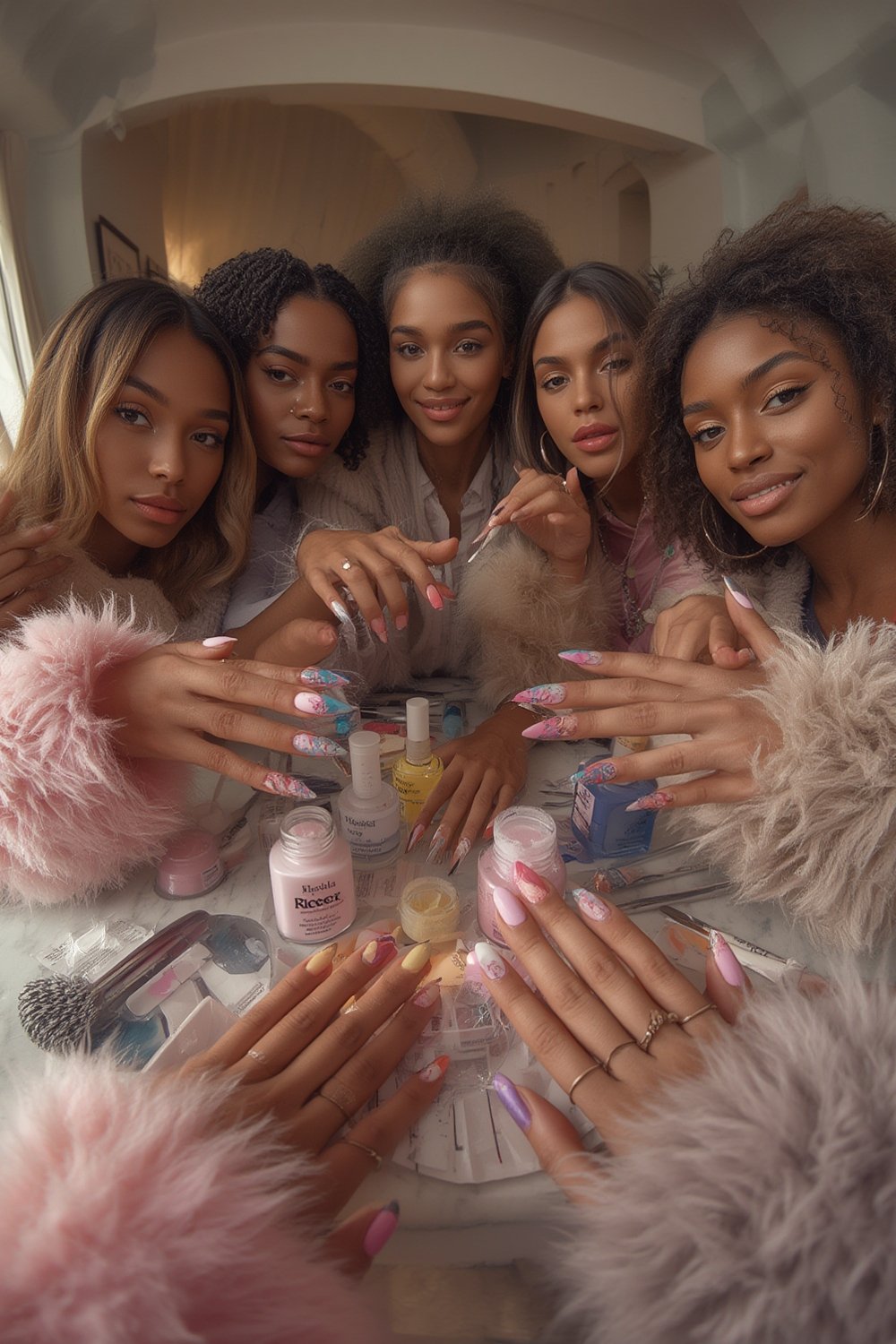
Furry Nails—sometimes called faux fur nails or furry texture nails—are nail art designs featuring visibly plush, fabric-like textures. As seen on TikTok and Pinterest in 2024, most Furry Nail looks use either:
- Flocking powder or micro-fibers: Fine nylon/rayon fibers dusted onto wet gel or topcoat, then cured for a fuzzy, “velvet” finish.
- Pre-cut faux-fur pieces: Small fabric pieces glued on for high-drama, toy-like effects (more “shag” or statement than subtle).
This plush effect reads fun, soft, sensory, and ultra-kawaii—think plushies or tiny fabric toys. Yet, the same texture that makes Furry Nails trend so hard also brings durability and cleanliness trade-offs. In 2024, the best results come from applying flocking powder to uncured gel or topcoat then curing—this process embeds fibers for a better-wearing, even surface.
Sources like Betches and BTArtBox explain that this trend is largely cosmetic and works best for photo shoots, cosplay, or short-term looks—not for daily handwashing or long wear.
How to Apply Furry Nails: Step-by-Step Guide
Want to try Furry Nails at home, or see how the pros do it? Follow these exact steps for the most reliable results whether you prefer flocking powder or faux fur appliqué. This workflow balances durability and hygiene with statement style.
What You Need
- Flocking powder (nylon/rayon fibers) or pre-cut faux fur
- UV/LED gel system (base, color, topcoat), or quality regular polish
- Nail lamp (if using gel)
- Nail glue (for faux fur pieces)
- Tray or shallow dish (for workspace containment)
- Small brush or fan brush
- Scissors (for trimming/appliqué)
For affordable gel kits and polish, see this MelodySusie Plant-Based Gel Nail Polish Set review—it’s popular for at-home trending looks.
Step-by-Step: Flocking Powder Method (Most Durable)
- File, buff, and clean your nails. Wipe with alcohol or nail cleanser.
- Apply base coat. Cure if using gel.
- Apply gel color in thin, even coats. Cure between layers.
- Apply a non-cured layer of gel topcoat.
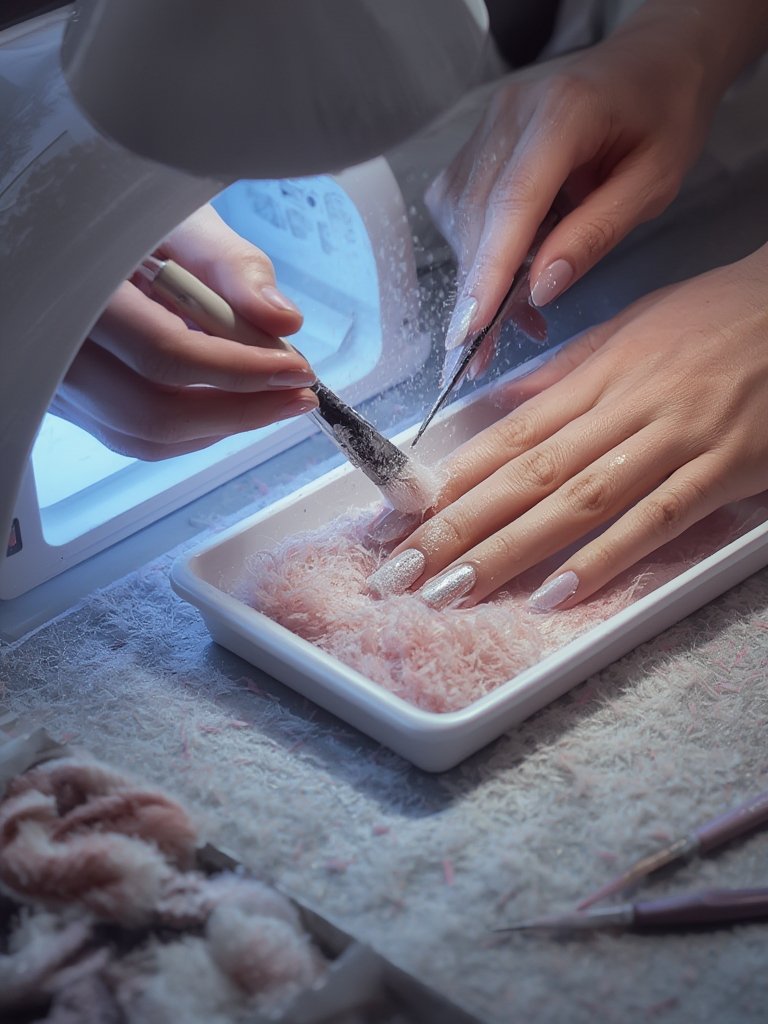
- Immediately, sprinkle flocking powder generously over the nail so it clings to that wet layer.
- Gently tap and press for full, even coverage. Tap finger to shake off any loose powder.
- Cure under lamp. This fixes the fibers in the gel base.
- Brush away all loose/unadhered fibers with a dry brush. Optionally, add a very thin touch of topcoat just on the free edge to reinforce tips—avoid over-sealing, which dulls the fuzzy effect.
Step-by-Step: Faux Fur Piece / Accent Method
- Follow steps 1-3 above (build, color, cure).
- Trim faux fur pieces to fit nail surface or intended accent area.
- Place a small dot of thick builder gel or nail glue onto the desired spot.
- Press the fur piece firmly onto the nail. Cure if using gel.
- Trim/shape fur for neatness. Avoid letting fur overhang the edge (it will snag more easily).
Salon Pro vs. DIY Comparison
Salon pros offer more even fiber coverage, precise accents, and better hygiene, but you’ll pay $60-120+ for a set (source). DIY at home is usually $10-40 for starter kits, with per-set refill cost about $1-5 if you own basic tools.
Don’t have nail lamps or want a cleanup shortcut? Try classic press-ons and add flocking accents just to one nail. Keep your nail care tools close to fix tips and maintain hygiene.
Troubleshooting, Pitfalls, and Advanced Tips
Even experienced beauty lovers run into issues with Furry Nails. Here’s how to spot, solve, or simply avoid the most common problems—plus advanced creative tips to take your next set from amateur to pro.
Frequent Complaints & Solutions
| Problem | Main Cause | Quick Fix |
|---|---|---|
| Hygiene (looks dirty, hard to clean) | Fibers absorb dirt, oils, food; not washable like polish | Spot-clean with slightly damp cloth; avoid food-heavy settings; keep furry portions small |
| Messy application / shedding | Powder dusts everywhere or doesn’t stick | Always use a tray; apply fibers to uncured gel/topcoat; brush off excess well after curing |
| Poor durability / matting | Edges wear down, texture clumps after washing | Seal just the tips; wear as an accent (not 10 full nails); plan for 5-10 day lifespan |
| Allergic reactions | Contact sensitization to glue, acrylates, or fibers | Patch test first; avoid if prone to nail art allergies |
| Snags, unpractical for daily use | Furry pieces catch on hair, clothes, makeup tools | Trim fibers close; stick to short shapes or accent nails |
Advanced Creative Techniques
- Fiber Specs Matter: Long/thick “shaggy” fibers are dramatic but snag easily; for velvet, use superfine flocking and short, compact shapes.
- Color & Texture Layering: Mix flocking powder colors over different gel bases for ombre, gradient, or two-tone effects. You can even pair with chrome, jelly, or sweater textures on accent fingers!
- Functional Design: Limit furry texture to a single accent or partial zone—this extends wear and keeps hands cleaner. Choose squoval or short almond shapes.
For nail aftercare and strong, healthy natural nails between statement looks, see our CND RescueRXX Daily Keratin Nail Treatment review.
Health and Safety Warnings
- Bacterial contamination: Flocking/fur absorbs liquids, dirt, and germs—there are increased hygiene risks, especially in food or care settings (source).
- Contact dermatitis/allergies: Nail glues and some fibers can cause irritation—if you have a history of acrylic/gel sensitivity, skip this trend.
- Powder dust is messy and should not be inhaled—always apply in a well-ventilated space.
- Not safe for children, food handlers, or healthcare workers; avoid whenever strict hand hygiene is needed.
For safer gel removals, consider an Electric Nail Soaking Bowl or gentle soak-off pads.
Conclusion: Are Furry Nails Worth It?
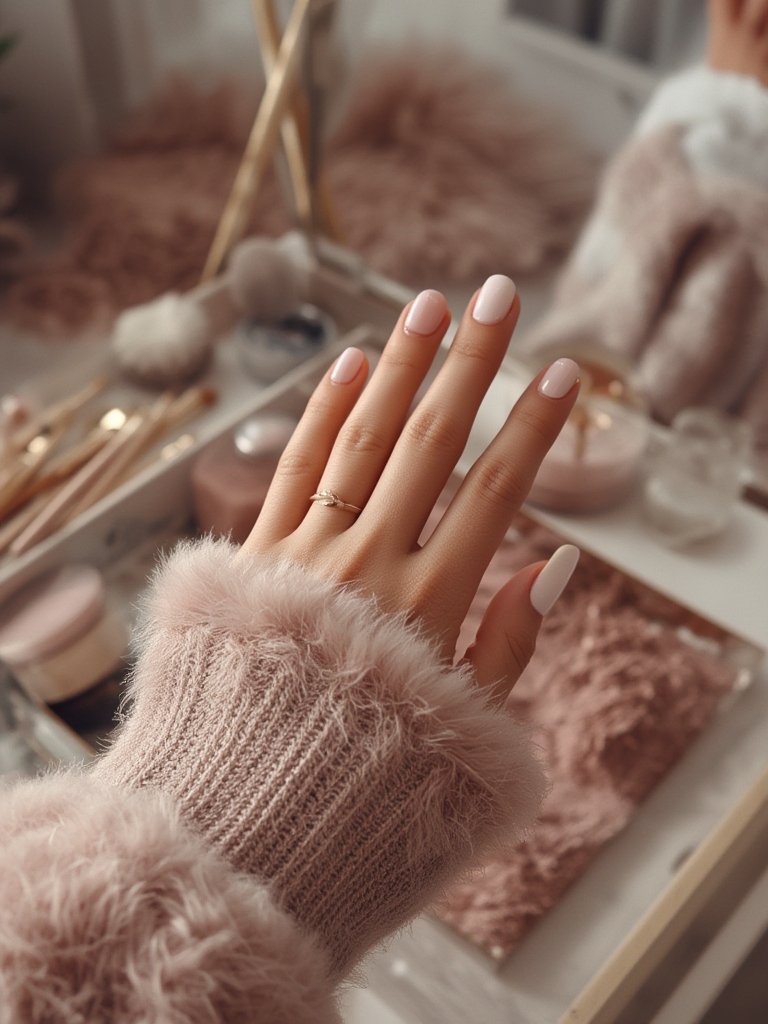
Furry Nails are eye-catching, plush, and guaranteed to get attention—for about a week. They excel for cosplay, TikTok challenges, and special events, but fall short for daily, practical manicure needs. If you value hygiene and low maintenance, limit the furry look to accents and keep shapes short. For best DIY results, pick quality flocking powder, work cleanly, and know removal is gentler with gel systems. Want your next Furry Nails adventure to go smoothly? Use pro-level nail care tools, research your products, and decide whether to opt for DIY or book with a reputable pro. Ready to experiment? Try your first furry accent—just be prepared for comments, both good and “what IS that?” Focus on smart placement and good prep.
Furry Nails might not be for everyone, but if you want to try the plushest nail art trend of 2024, start with small steps—and don’t forget to snap a photo before the fuzz inevitably flattens!
Furry Nails FAQ
How do you clean Furry Nails?
Gently dab the surface with a barely damp, lint-free cloth. Do not soak. Avoid soap and scrubbing. If you get something stuck, try using a soft dry brush. Moderation is key—over-wetting will cause matting and shedding.
How do you remove flocking powder or faux fur without damaging your nails?
Soak off gel with acetone, as you would a standard gel manicure. After gel loosens, gently brush away fibers with a dry, soft brush—never peel or force, as this can damage your nail plate.
How long do Furry Nails really last?
On average, gel-based Furry Nails keep their best texture for 5-10 days before significant matting or bald spots appear. Regular polish versions last even less—often just a few days.
What are health risks with Furry Nails?
Main risks are bacterial contamination from dirt trapped in fibers, and possible allergic reactions to adhesives or synthetic fibers. If you have sensitive skin, allergies, or work in high-hygiene settings, skip this trend.
Where can I learn more about trending textured nail art?
Follow current tutorials and inspo on Pinterest, TikTok, and salon blogs like BTArtBox. Always check product reviews before buying new flocking powders or faux fur.