

Perfume trends 2026 will shape how brands and product managers make high-stakes moves in a volatile market. Data shows there’s more complexity than most trend lists reveal: huge swings in market valuation, diverging regional growth rates, segment shakeups, and underreported consumer shifts. This guide cuts straight to the strategic takeaways—what the numbers really mean, where the true opportunities (and pitfalls) lie, and how you can act with confidence.
Key Takeaways
- 2026 perfume market estimates diverge sharply—strategy must flex to both conservative and aggressive growth scenarios.
- Online channels (9.21% CAGR) and premiumization are reshaping consumer behavior faster than most reporting suggests.
- Gen Z and sustainability are moving from buzzwords to real revenue drivers—require new pricing, assortment, and comms playbooks.
- Market snapshot — size, growth range and what the discrepancies mean
- Regional performance and tactical implications
- Segment performance — luxury, niche, designer and mass market (and what to prioritize)
- Channel shift — why online retail matters more than most reports show
- Consumer behavior — Gen Z and premiumization (underreported but pivotal)
- Frustrations and complaints — what we know and where the gaps are
- Emerging fragrance notes and ingredient combos (what is actually trending)
- Sustainability and eco-friendly packaging — influence on buying and formulation
- Pricing trends — what we don’t know and how to measure price elasticity now
- Celebrity collaborations and limited editions — how they’re shaping culture (and what’s missing)
- Top 3 underreported insights to emphasize (unique value-add)
- Actionable recommendations for brands and content creators
- Sources, data gaps and recommended primary research to fill them
- FAQ
Market snapshot — size, growth range and what the discrepancies mean
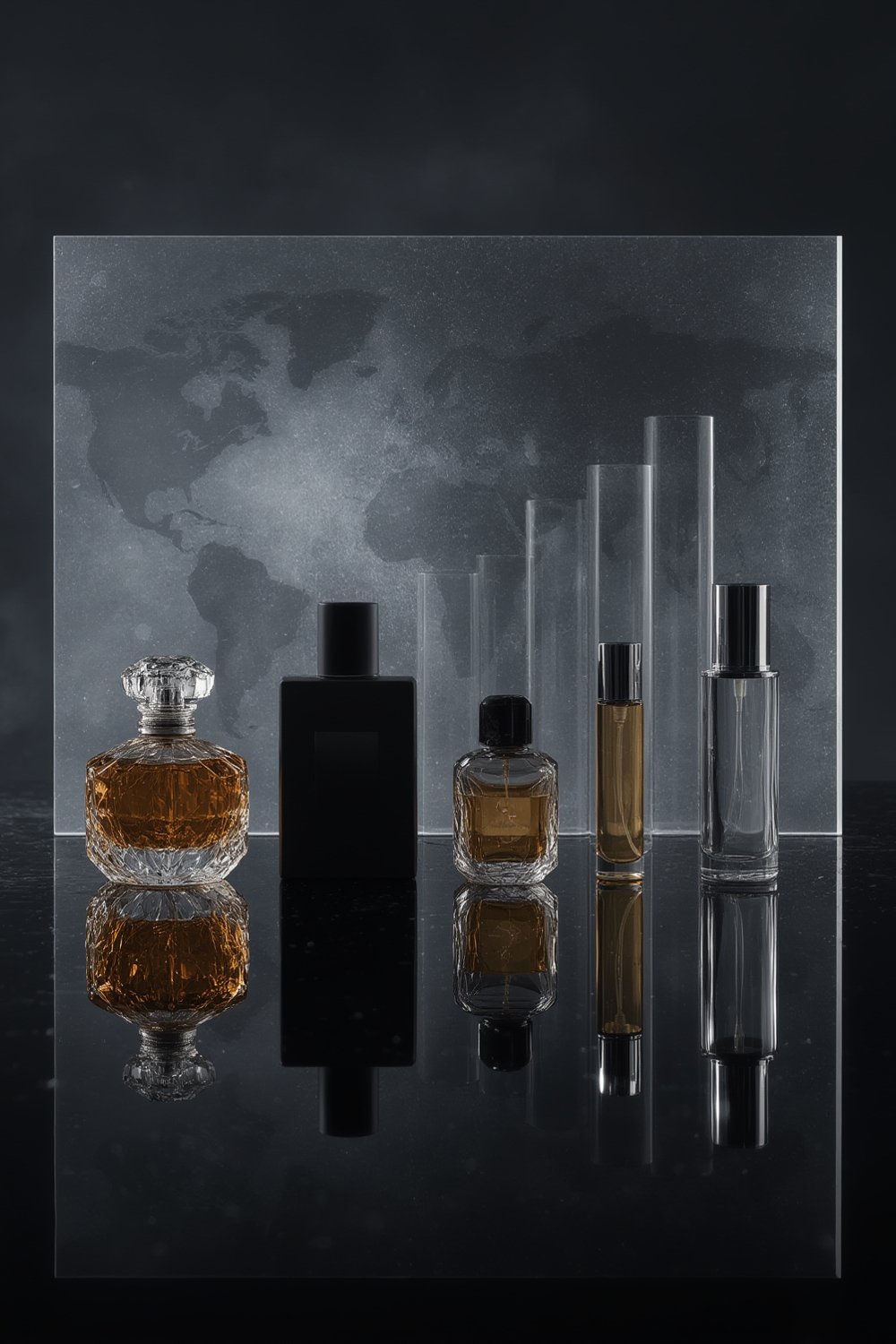
The global perfume market in 2026 is projected at anything from USD 64.1 billion to USD 86.86 billion. These aren’t just rounding errors—they’re fundamentally different market realities that hinge on how different analysts define “perfume,” apply pre-pandemic vs. post-pandemic consumer data, and weight online sales. CAGR (compound annual growth rate) projections for perfume trends 2026 range from 3.3% to a bullish 11.3% [source], [source].
For brands, this means market sizing exercises are not one-and-done. Conservative approaches demand hedging with SKU rationalization and cautious launch calendars, while aggressive forecasts support bolder capex in R&D and digital transformation. Know your house’s risk tolerance and scenario plan accordingly.
Regional performance and tactical implications
Growth and risk are not evenly distributed across geographies for fragrance trends. Here’s a region-by-region breakdown with 2025 baselines and directional guidance for 2026:
| Region | 2025 Valuation | Projected CAGR (2026-2035) | Assortment/Channel/Price Notes |
|---|---|---|---|
| Europe | USD 19.5B | 3.1% | Premium focus; France dominant; deep luxury/niche tradition |
| Asia-Pacific | USD 16.3B | 3.7%-9.54% | Fastest growth; e-commerce outpaces stores; affordable entry SKUs |
| North America | USD 16B | — | Digital retail surging; clean-label and gender-neutral launches trending |
| Middle East & Africa | USD 3.7B | 2.4% | Oriental notes, gifting formats, strong demand for prestige |
Strategic implication: Tailor channel and assortment mix by region. North America and Asia-Pacific call for aggressive digital and omnichannel innovation, while Europe requires tight curation and country-by-country pricing finesse.
If your brand wants to break into trending scents with an accessible unisex profile, see the review of Lattafa Khamrah for a practical case study of market positioning.
Segment performance — luxury, niche, designer and mass market (and what to prioritize)
Segment growth is polarized. The luxury segment is valued at USD 57.28B with a robust 10.4% CAGR, no longer just for heritage houses but fueled by influencer- and celebrity-driven launches. Niche is the real rocket, growing at 13.2% CAGR but still small (USD 4.85B)—artisanal storytelling, rare ingredients, and personalization are drivers. Designer fragrances grow at 5.87% CAGR, primarily through flankers and new genderless lines. Mass market holds the largest share (39.1%, 5.1% CAGR) but faces margin compression and SKU clutter.
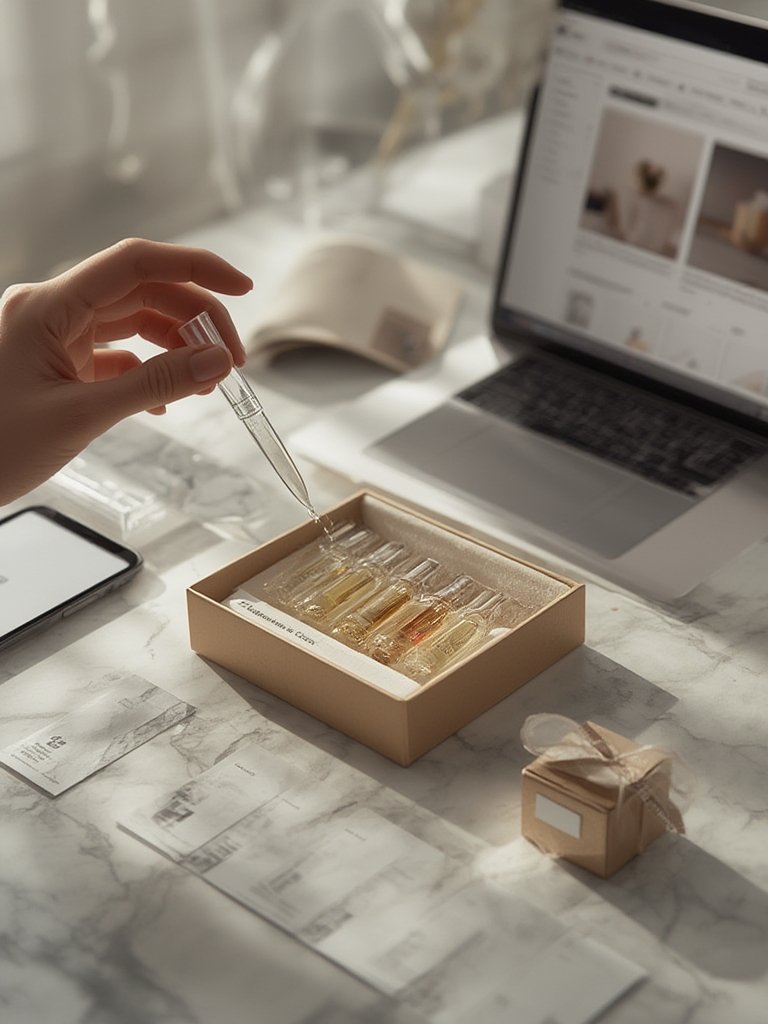
Where to invest in 2026? For most, product innovation and digital storytelling bring better ROI than chasing more channels. Pilot new scents in limited micro-batches; scale only after digital reviews pulse positive. For indie creators, view growth tactics for niche brands in our comprehensive guide on niche fragrances.
Channel shift — why online retail matters more than most reports show
Online fragrance retail is growing at ~9.21% CAGR, well ahead of the overall market [source]. But most major analyses still underweight its impact, and very few connect channel shifts to CRM, experiential digital content, or sampling funnel performance.
Strategic takeaways:
- Prioritize digital-first launches and limited drops tied to influencer content.
- Invest in virtual sampling and AI-powered scent discovery tools—Gen Z and Millennial shoppers expect this experience.
- Enhance CRM by tracking repurchase and recharge rates for refill formats.
To harness this channel, see our actionable walkthrough on launching unisex online-first fragrances.
Consumer behavior — Gen Z and premiumization (underreported but pivotal)
Most market reports have underplayed just how much Gen Z is driving change. Increased spending by Gen Z is now a material market driver for perfume trends 2026 [source]. Premiumization is real: this audience is skipping entry-level SKUs and going straight to niche and luxury. Comms tone must be less aspirational, more authentic—think transparency on sourcing, micro-batch stories, and social proof over traditional ad copy.
Recommended moves:
- Test smaller, refillable formats for Gen Z trial and repeat spend.
- Adopt tiered launch pricing that rewards loyalty and referrals.
- Calibrate messaging for transparency—ingredient origin, sustainability, and real reviews.
For a practical deep dive, explore how vanilla and amber notes appeal to younger consumers entering the niche and premium space.
Frustrations and complaints — what we know and where the gaps are
Systematic data on consumer complaints, especially for latest perfume launches and trending scents, is largely missing from published research. We know anecdotally that top frustrations are longevity, lack of transparency, poor availability and launch confusion due to too many flankers—yet few brands systematically collect this feedback.
- Implement regular mining of review platforms, Reddit, and fragrance forums.
- Run quarterly NPS surveys and focus groups targeting “failures to rebuy.”
- Set up post-launch issue tracking specific to new flankers or limited editions.
If you’re launching heavier oriental or spicy blends, see case study reviews—like Oud-forward launches—to surface specific friction points observed by real buyers.
Emerging fragrance notes and ingredient combos (what is actually trending)
While precise quantitative data is thin, verified directionally trending scents for 2026 include wellness-focused accords, gourmand notes (think vanilla, edible-inspired blends), and increased calls for personalization-adjacent ingredients [source]. Brands must tread carefully: iterate with real consumer panels, run IFRA/regulatory checks, and test physical/thermal stability before upscaling production.
- Wellness blends: include calming botanicals, skin-nourishing properties.
- Gourmand: look to creamy vanilla, spicy amber, and caramel notes—see reviews for unisex vanilla blends.
- Personalization: modular scents, buildable layering sets.
For more on mixing trending ingredient styles, check our review of warm, spicy launches.
Sustainability and eco-friendly packaging — influence on buying and formulation
Sustainability is shifting both purchase triggers and R&D formulas. Eco-friendly packaging, refill systems, and credible sustainability claims are now cited as key growth drivers (even if quantitative uptake is slim) [source]. For brands, this means:
- Transition to recyclable or biodegradable packs, at least for limited editions.
- Clearly label natural vs. synthetic ratios and address allergen sources up front.
- Support claim credibility with third-party certifications—not just visuals.
For maximal credibility, combine transparent sustainability with scent performance. See practical strategies in our eco-friendly perfume guide.
Pricing trends — what we don’t know and how to measure price elasticity now
No reliable comparative pricing data is published for new designer or niche launches in 2026. Rising raw material costs, currency shifts, and segment cannibalization all affect both retail and DTC price ladders.
Recommended approach:
- Track average selling price (ASP) per segment, seasonally and pre-/post-launch.
- Build a simple dashboard of direct competitor pricing, noting position shifts after major drops and flankers.
- Map cost-push factors (especially synthetics vs. naturals) and track price elasticity by launch tier.
Piloting price changes on microdrops—especially for trending scents or digital-only launches—reduces total risk.
Celebrity collaborations and limited editions — how they’re shaping culture (and what’s missing)
Celebrity and limited-edition launches routinely drive buzz and short-term revenue. Yet research lags in quantifying sell-through rates, social reach, and long-term equity created by these moves. For now, monitor:
- Sell-out speed and resale market pricing post-drop.
- Earned media, influencer tagging, and direct site traffic spikes during launch windows.
- Buyer demographics—are these launches extending reach or just cannibalizing base?
For a playbook on leveraging buzz, see our upcoming guide on celebrity perfume strategy.
Top 3 underreported insights to emphasize (unique value-add)
- Online retail acceleration – Online fragrance retail is growing at ~9.21% CAGR. This outpaces even the fastest luxury/niche segments, and highlights untapped potential in sample programs and digital-first launches.
- Gen Z spending – This demographic is not only entering the market, but driving up premiumization. Skipping entry price brackets, they’re shifting portfolio ROI toward niche, refillable, and transparent products.
- Premiumization mechanics – Brands that monetize upgrade behavior—via storytelling, microformats, and limited editions—see outsized returns, but only if they balance price ladder flexibility and CRM investment.
Actionable recommendations for brands and content creators
- Prioritize ecommerce sampling funnels, especially for unisex and wellness-led trends.
- Invest in transparent, evidence-backed sustainability claims and third-party verification.
- Pilot microdrops for trending fragrance notes and gourmet innovations before scaling up.
- Continuously track ASP and SKU cannibalization to refine price/portfolio balance.
- Mine real-speech social reviews for complaints on longevity, projection, and confusion (especially for flankers).
- Quantify ROI of celebrity and influencer collaborations with social lift and rapid sell-out tracking.
- Use Gen Z-focused digital storytelling: leverage authenticity, refillable options, and peer validation for premium launches.
- Set up a simple price-comparison dashboard for designer and niche competitors seasonally.
- Monitor segment and regional growth monthly, not yearly.
- Test online sampling and refill offers with every major launch.
- Document and address real user complaints, especially around new launches and flankers.
- Verify and badge all sustainability claims on-pack and online.
- Prototype trending scents with consumer panels before mass scaling.
Sources, data gaps and recommended primary research to fill them
Key data gaps in current reporting for perfume trends 2026 include:
- No systematic consumer sentiment/complaint data for latest perfume launches or trending scents.
- Lack of granular, year-over-year pricing data for designer and niche launches.
- Absence of published celebrity/limited-edition campaign results or cultural impact KPIs for 2026.
- Ingredient and note popularity not tracked quantitatively outside of anecdotal/wellness mentions.
Recommended primary research deliverables:
- Set up an automated social sentiment and complaint analysis for new launches.
- Build a rolling price-tracking dashboard for key competitors’ launches and flankers.
- Field quarterly shopper surveys targeting loyalty, repurchase drivers, and fail points.
- Commission competitive teardown of top trending SKUs for ingredient and sustainability validation.
For more on how conflicting market sizing underscores the need for direct validation, compare the full data sets at GMI Insights and Research and Markets.
FAQ
How accurate are 2026 perfume market forecasts?
Market forecasts for perfume trends 2026 diverge significantly—USD 64.1B vs. USD 86.86B—due to differences in research methodology and definitions. Always scenario-plan across both conservative and aggressive growth ranges when setting strategy.
Why is online fragrance retail experiencing faster growth than store retail?
Online retail is growing at ~9.21% CAGR, much faster than in-store, due to changes in consumer discovery, sampling innovations, and brands targeting Gen Z and digital-first buyers.
What are the top trending fragrance notes for 2026?
Wellness-oriented and gourmand notes—like vanilla, caramel, and creamy botanicals—are reportedly trending, though hard data remains scarce. Personalization and layering kits are also gaining ground.
How should brands address the lack of consumer complaint data?
Implement regular review mining, social listening, and NPS surveys. Direct consumer engagement uncovers pain points not covered in published research, allowing brands to quickly address issues around longevity or confusion from too many flankers.
Does sustainability really influence buying decisions in fragrance?
Yes—sustainable perfumes and eco-friendly packaging are flagged as market growth drivers. Quantitative impact data is lacking, so it’s best to launch with transparent claims and track adoption across launch cycles.
[…] If you’re passionate about product trends and market size in other beauty segments, see our analysis of Perfume Trends for 2026. […]