

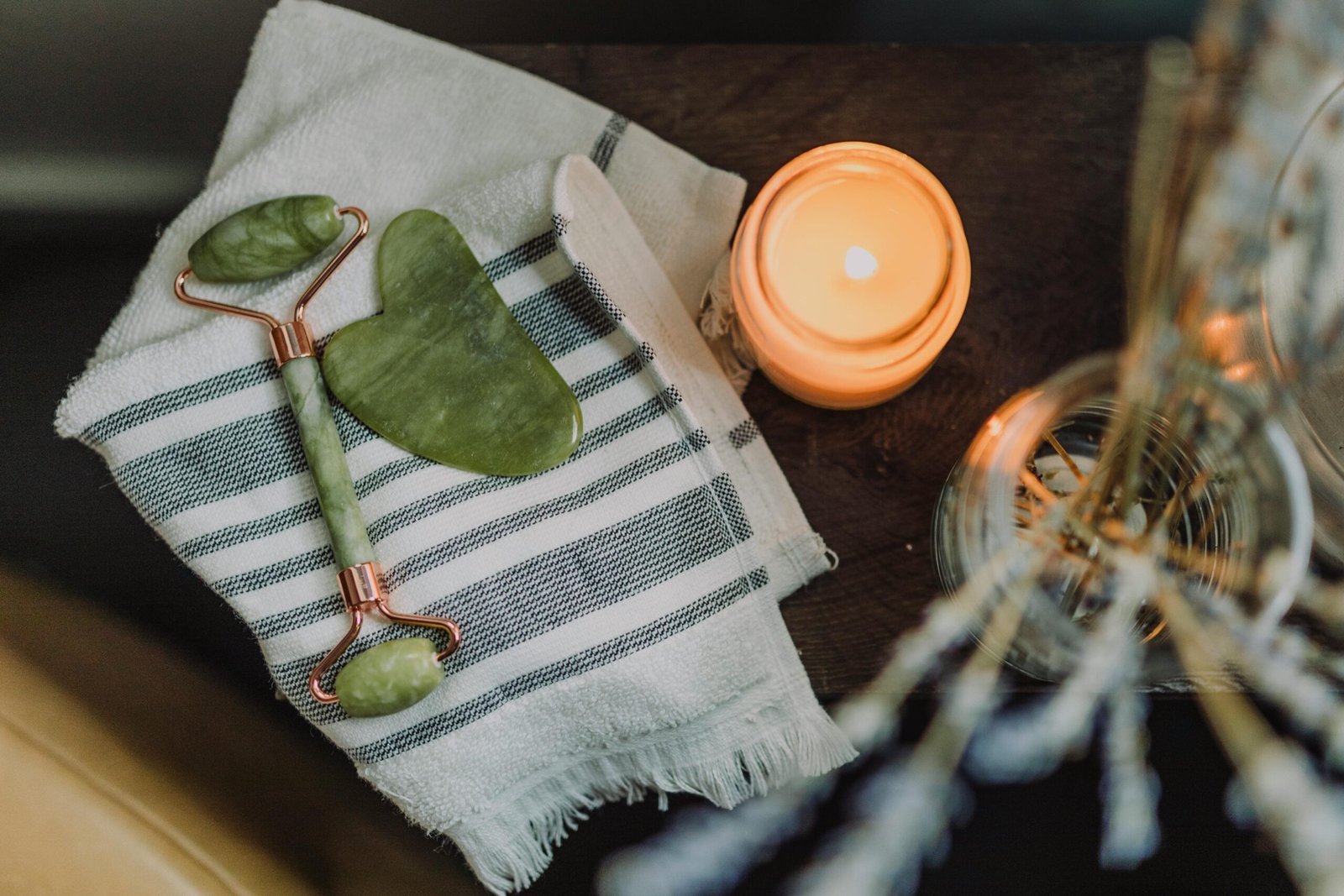
Gua Sha Technique for the face blends ancient Chinese medicine with modern skincare. Explore its origins, benefits, facial techniques, scientific insights, and safety considerations.
Table of Contents
History and Origins of the Gua Sha Technique
The origins of gua sha trace back thousands of years to ancient China, where the technique was first practiced as a healing therapy for the entire body. Historically, gua sha was used to address conditions like fever, muscle pain, and stagnation of qi, or life energy, by scraping the skin with flat, smooth tools made from materials such as jade, horn, or stone.
This full-body modality eventually became part of daily practices for families and herbalists, serving as a cornerstone in the preservation of health and vitality. As Chinese medicine philosophies spread across neighboring regions, adaptations appeared in other Asian cultures, notably in Vietnam and Indonesia.
Over the centuries, with growing interest in traditional wellness practices and a deeper understanding of skin anatomy, gua sha evolved into specialized facial techniques. These methods highlight gentler pressure and smaller, more refined tools, while still retaining deep cultural roots and significance in holistic self-care.
Using the Gua Sha Technique on the Face
The gua sha facial technique involves gently gliding a smooth-edged tool, traditionally made from jade or rose quartz, along specific contours of the face and neck. Unlike the vigorous scraping used in body treatments, facial gua sha employs much lighter pressure, focusing on relaxation and stimulating surface circulation. The practitioner or individual applies a lubricating oil or serum to minimize friction, allowing the tool to move seamlessly over the skin without tugging or irritation. Strokes are typically upward or outward and follow the direction of lymphatic flow, targeting areas like the jawline, cheekbones, brow, and forehead.
Certain edges or points of the tool are designed for precision, enabling attention to delicate regions such as under the eyes. The method prioritizes gentle sculpting and drainage rather than bruising, distinguishing cosmetic facial gua sha from its therapeutic body counterpart.
Claimed Benefits of the Gua Sha Technique in Modern Skincare
Widely claimed benefits of facial gua sha have helped boost its popularity in modern skincare routines. Many enthusiasts and practitioners report visible improvements such as enhanced microcirculation, which is believed to lend the skin a brighter, healthier appearance. Another frequently cited benefit is promotion of lymphatic drainage, helping to reduce puffiness especially around the eyes and jawline by encouraging the removal of excess fluid. Regular use is further associated with muscle tension relief, potentially softening the facial contours and imparting a sense of relaxation. Some also tout its potential for supporting skin elasticity and reducing the appearance of fine lines, contributing to a sense of rejuvenation.
While these outcomes are strongly championed in traditional and holistic circles, dermatologists urge a more cautious interpretation. Scientific evidence substantiating these effects remains preliminary; while transient improvements in circulation and puffiness are possible, claims around anti-aging and collagen stimulation lack robust clinical backing.
Gua Sha Technique Safety, Risks, and Common Misconceptions
Gua sha is generally considered safe when performed properly, but awareness of potential risks and safety measures is crucial for optimal results. Minor skin trauma, such as redness or petechiae (tiny red spots), can occur if excessive pressure is applied, especially on delicate facial skin. Rarely, more significant bruising may result from improper technique or sensitive skin. Tool hygiene is essential tools must be sterilized before each use to prevent bacterial contamination that can lead to breakouts or infection.
Individuals with active acne, eczema, or certain skin conditions should avoid gua sha on affected areas. It is a myth that gua sha can permanently change face shape or replace medical treatments. While increased circulation and relaxation are well-supported, exaggerated claims like toxin removal or dramatic anti-aging effects are not confirmed by science. Proper technique, gentle motion, and awareness of contraindications help minimize risks as you integrate gua sha into your skincare regimen.
How to Incorporate the Gua Sha Technique into Your Facial Routine
To successfully weave gua sha into your facial care routine, start with choosing a high-quality, genuine tool jade and rose quartz are popular, but smoothness, shape, and ease of cleaning are paramount. Always cleanse both your skin and the tool to ensure a hygienic process. Apply a facial oil or serum to create optimal glide and avoid dragging or friction. Incorporate gua sha two to three times per week, adjusting frequency to match your skin’s response.
Look for gentle, mindful pressure and upward, outward strokes. Pause treatment if you notice persistent redness, irritation, or discomfort, and consult a dermatologist for any concerning reactions or if you have underlying skin conditions. For synergy, layer gua sha with your regular skincare steps cleansing before, and moisturizing after to enhance product absorption and foster radiant skin without overburdening your epidermis.
Conclusions
Facial gua sha blends ancient tradition with modern beauty trends, offering a distinctive approach to skincare. While it has perceived benefits for facial revitalization, understanding proper technique and safety is key to maximizing results and minimizing risks. Approach with informed care.
check out our honest reviews