

Lip Barrier Repair is a critical, often overlooked part of achieving healthy, comfortable lips—especially for anyone struggling with chronic dryness, chapping, or sensitivity. Modern research shows there is far more to true repair than petroleum jelly and basic balms. This guide explains what works, what doesn’t, and gives you a practical regimen based on scientific evidence—without wasting time or money.
Key Takeaways
- Lipid-rich ceramide balms outperform petrolatum in clinically repairing and strengthening the lip barrier.
- Immediate improvement in hydration and softness is possible, but full barrier repair takes at least 2 to 4 weeks of consistent use.
- Environmental factors and ingredient selection are often ignored pitfalls; avoiding these can make or break your results.
- What Is Lip Barrier Repair & Why Does It Matter?
- How to Repair Your Lip Barrier: Step-by-Step
- Advanced Analysis & Common Pitfalls
- Conclusion
- FAQ
What Is Lip Barrier Repair & Why Does It Matter?
Lip barrier repair goes beyond simple moisturization. The lips lack sweat glands and have the thinnest stratum corneum in the body, making them vulnerable to water loss, irritants, and environmental stress. True repair means restoring the skin’s natural lipid structure—mainly through replenishing ceramides and essential lipids—so lips can lock in moisture and resist further damage.
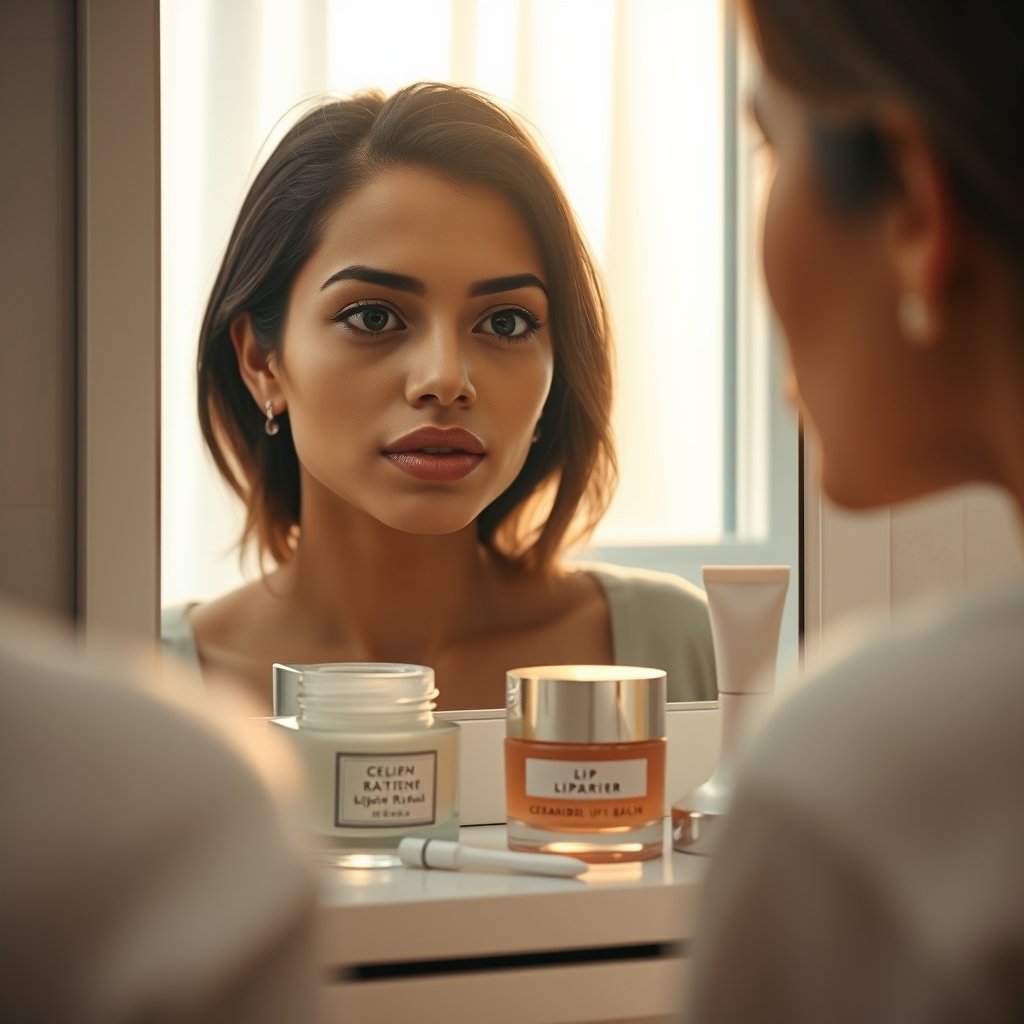
Research proves that synthetic ceramides in lip balms significantly improve roughness and decrease water loss. A 2% pseudo-ceramide formula led to 65% improvement in lip softness and 25% drop in transepidermal water loss (TEWL) after four weeks, outperforming both plain balms and petroleum jelly. This is because ceramides replace what’s naturally lost, strengthening the seal against dehydration. Ceramides also help modulate inflammation and restore flexibility, preventing future cracks and discomfort.
Petroleum-based balms, by contrast, mostly form a surface layer—they reduce symptoms temporarily but don’t address the root vulnerability. For those seeking healthy, resilient lips, understanding this difference is key. Want to go beyond basic hydration? Explore approaches like peptide lip treatments for restoring the skin at a deeper level.
How to Repair Your Lip Barrier: Step-by-Step
Follow these steps to actively repair your lip barrier for real, lasting results:
- Choose a lipid-rich formula with ceramides. Look for “ceramide” or “lipid complex” high on the ingredients list; avoid balms with only petrolatum or heavy wax.
- Apply to clean, slightly damp lips. After gentle cleansing, pat lips until just barely moist. This helps lock in hydration as the ceramides form a protective layer.
- Use consistently—morning, night, and after eating or exposure. Clinical repair needs 2 to 4 weeks of steady use. Keep a travel tube on hand for reapplication in dry or windy weather.
- Avoid environmental stressors. Wind, sun, spicy foods, and licking your lips strip away lipids. Use an fragrance-free SPF balm outdoors and limit irritant exposure during the repair phase.
- Don’t exfoliate if cracked or sensitive. Exfoliators can worsen damage when the barrier is compromised. Wait until lips are fully soft, then exfoliate gently once or twice a week if needed.
- If you wear lipstick or stain, apply barrier balm underneath. This buffer can limit dye penetration and moisture loss during wear.
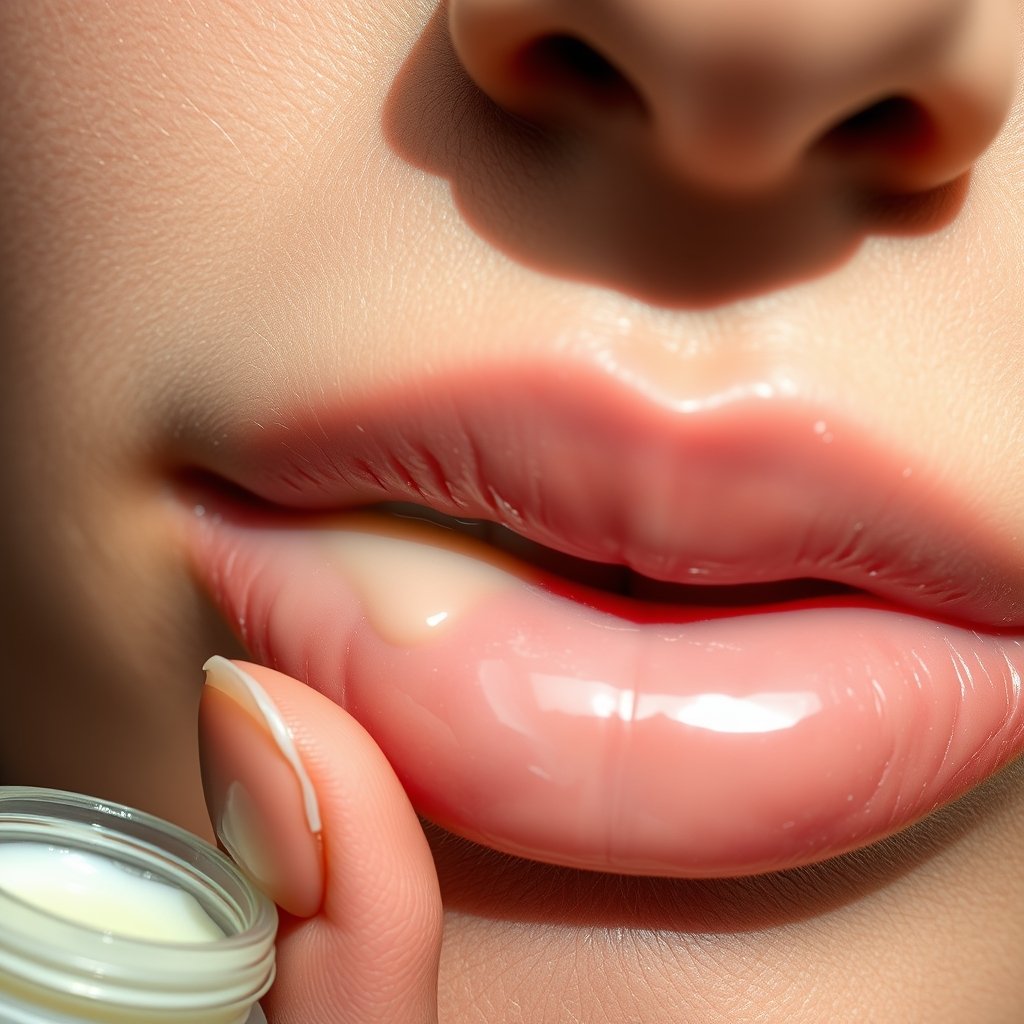
For more information on choosing highly effective formulas, read our in-depth guide on peptide lip treatments. And discover the latest innovations in luxury lip care ingredients for modern routines.
Always remember, you’re aiming for long-term barrier health, not just a short burst of shine or softness.
Advanced Analysis & Common Pitfalls
Ceramide and lipid-based lip barrier repair is evidence-backed, but there are common errors and overlooked problems that can stall or sabotage your progress:
- Using petrolatum alone: While occlusive, it doesn’t replenish lost ceramides or essential fatty acids, so lips remain vulnerable.
- Over-exfoliation: Trying to “fix” flaky lips by scrubbing often makes things worse. Exfoliate only after the barrier is repaired.
- Ignoring ingredient safety: Potential allergens like lanolin, flavor oils, or heavy fragrances may spark reactions in sensitive lips.
- Environmental neglect: Not protecting lips against sun, wind, or dry indoor air dramatically slows healing—even the most advanced balm won’t work if you’re constantly exposed to irritants.
- Stopping too soon: Most visible improvements appear after 2 weeks but maintaining results requires at least 4 weeks of strict routine.
| Treatment Type | Barrier Repair Speed | Sustained Improvement | Common Issues |
|---|---|---|---|
| Petroleum Jelly | Immediate occlusion; partial improvement in 28 days | Temporary; does not restore ceramides | Greasy feel, transfer, reliance on reapplication |
| Ceramide/Lipid Balm | Hydration/plumping after one use; major barrier gains after 2-4 weeks | Sustained with continued use; clinically proven TEWL reduction | May sting on cracked lips; higher upfront cost |
| Polyherbal Lipid-Rich Hydrants | Improvement in 28 days; superior for chapping | Good—if formula is rich in absorbable oils and waxes | Potential for plant-based allergens |
Adverse reactions to probiotic lip care are poorly studied. Sensitive users should patch test and, when in doubt, stick to fragrance-free ceramide or squalane balms.
Looking to protect your repair results with multi-use products? Try layering a fragrance-free SPF balm on top during the day or choosing a vegan friendly formula for added safety.
Conclusion
Clinically-backed lip barrier repair strategies should prioritize ceramide and lipid replenishment—not just short-term occlusion. Expect real, visible change in softness, plumpness, and resilience in as little as 2 weeks but stick to your routine for 30 days or more for best results. Want to future-proof your lips? Invest in advanced treatments, avoid skin-unfriendly ingredients, and always factor in your daily environment.
Ready to upgrade your regimen? Explore our guides to peptide lip treatments or check out trending picks in luxury and vegan lip formulas. Start repairing your lip barrier now—the results are more than just cosmetic.
FAQ
How long does it take to repair a damaged lip barrier?
Visible improvements can appear after one use, but full barrier repair with ceramide balms takes about 2 to 4 weeks of consistent daily application. Petroleum-based balms provide temporary relief but rarely deliver deep repair.
Are ceramide lip balms safe for sensitive lips?
Generally, yes. Ceramide balms mimic natural lipids and are unlikely to irritate. Still, avoid added fragrance, menthol, or lanolin if you have very sensitive or allergy-prone skin. Patch testing is wise.
Do probiotic lip care products actually help with barrier repair?
There’s not enough published evidence to say if probiotic lip care supports barrier repair in a meaningful way. Most clinical data focuses on ceramide and lipid-rich formulas.
Should I exfoliate my lips during lip barrier repair?
No. If your lips are cracked or painfully dry, skipping exfoliation is crucial. Once lips are smooth and healthy, gentle exfoliation up to twice a week is usually safe.
What ingredients should I avoid for best results?
Avoid common allergens or irritants such as essential oils, heavy fragrance, camphor, menthol, and strong plant extracts during the repair phase. Opt for fragrance-free, minimalist formulas for fastest recovery.