

Smart electric toothbrush adoption is surging among tech-forward adults looking for more than just a cleaner smile—real benefits, reliable Bluetooth connectivity, and scientifically valid AI feedback that justifies premium pricing. If you care about clinical outcomes, seamless iOS/Android syncing, and avoiding hidden costs, this guide will help you make an evidence-based choice before you buy, upgrade, or troubleshoot your next smart electric toothbrush.
Key Takeaways
- Smart electric toothbrushes are the premium, fastest-growing segment of a global USD 3.8B market, but app features and AI feedback provide limited clinically proven advantages vs. standard electric brushing.
- Bluetooth reliability, app usability, and ongoing costs (like brush head replacements) are common frustration points—test before you commit.
- Most users stop using the smart brushing app after a month. Evaluate real-world engagement, not just advertised features.
- Quick summary — Should you buy a smart electric toothbrush in 2025?
- Market snapshot — adoption, segments and where growth is coming from
- What real buyers complain about — top negative review themes to watch for
- Undercovered topic #1 — Do AI-guided brushes measurably improve oral health?
- Undercovered topic #2 — Long-term engagement: who keeps using the app after month 1?
- Undercovered topic #3 — Technical reliability metrics: Bluetooth, firmware updates, cross-platform performance
- Side-by-side technical comparison — battery life, Bluetooth reliability, and AI accuracy
- Evidence review — does AI feedback and smart brushing apps change clinical outcomes?
- Pricing and total cost of ownership in 2024–25
- iOS vs Android — real compatibility and UX differences (2024 practical guide)
- Buying checklist — questions to ask and tests to run before you commit
- Troubleshooting cheat sheet — solve the most common Bluetooth and app problems
- Verdict and smart recommendations by buyer type
- FAQ
Quick summary — Should you buy a smart electric toothbrush in 2025?
The global smart electric toothbrush market is expanding fast, with premium, connected models emerging as the top growth driver. In 2023, electric toothbrush market revenue hovered around USD 3.8B, forecast to surge to USD 8.4B by 2033 (about 8.2% CAGR) [Market.us]. North America, Western Europe, and Asia-Pacific are hotspots for adoption—fueled by higher incomes and interest in measured wellness tech.
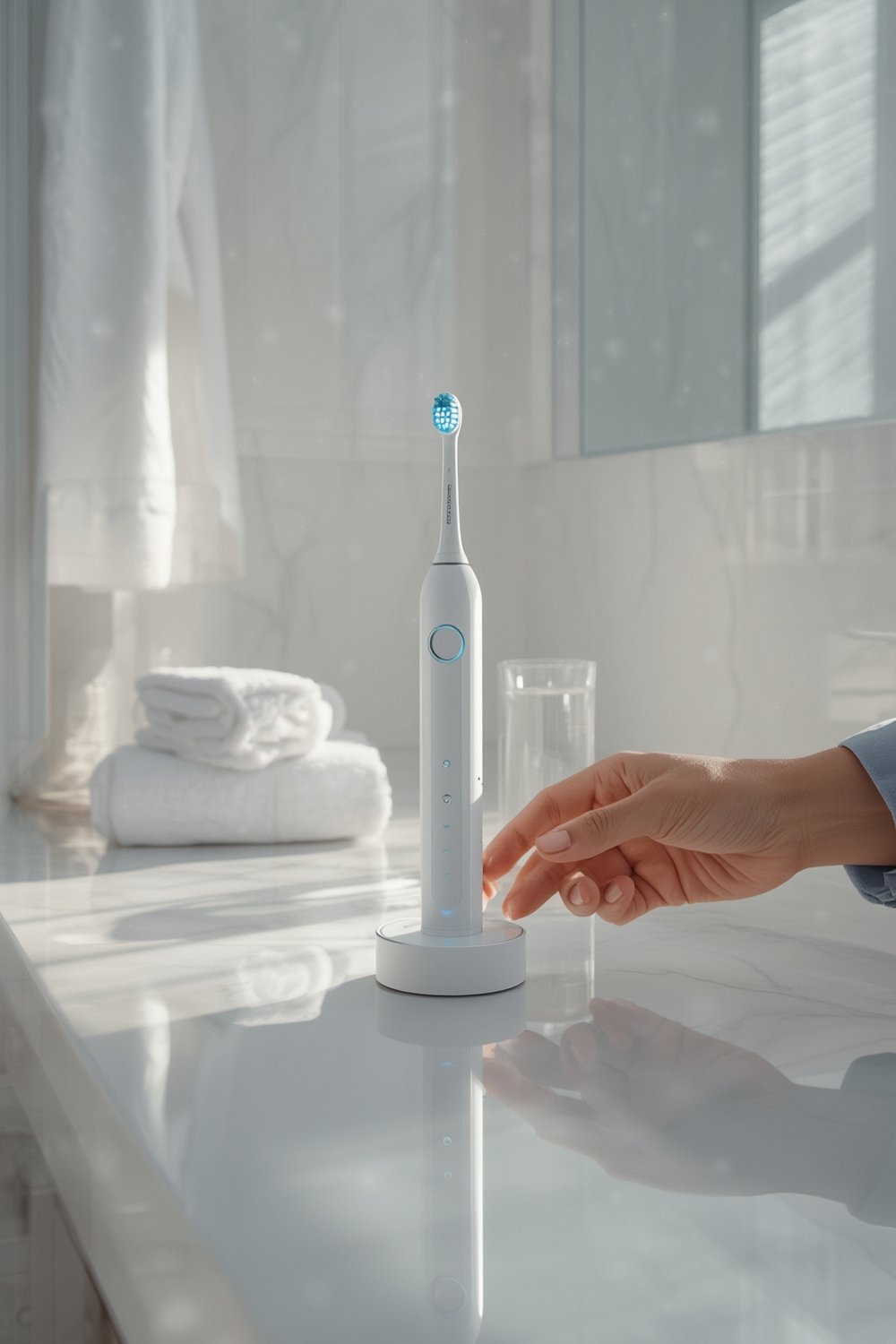
Smart models truly add value for users who want real-time feedback, detailed app reports, and AI-driven habit coaching. However, common caveats include unreliable Bluetooth connections, buggy or abandoned apps (especially outside iOS), and recurring costs for proprietary replacement brush heads. If you value proven health gains, check for evidence beyond marketing. Long-term satisfaction depends on matching device promises to your workflow and platform.
Market snapshot — adoption, segments and where growth is coming from
Rechargeable models dominate, commanding about 71.5% market share in 2023. Sonic technology (like Philips Sonicare and many Asian brands) now represents over half (53%) of the segment [Market.us]. Most buyers are adults (75.5%), with Europe leading (34.5% share, about USD 1.31B revenue) and Asia-Pacific growing fastest.
Premium smart electric toothbrushes attract tech-savvy professionals and families prioritizing precision, Bluetooth features, and mobile app integration. Connected models with AI-powered feedback and live tracking fuel the segment’s growth, especially in urban regions and health-conscious households.
Still, granular adoption data (like households owning smart vs. standard electric brushes) is patchy. Market studies, like those from Grand View Research and Credence Research, define “smart” as the premium, fastest-growing niche, driven by Bluetooth/app features and AI sensors.
What real buyers complain about — top negative review themes to watch for
Across Amazon, Best Buy, and app stores, buyers flag recurring problems with connected toothbrush Bluetooth reliability and electric toothbrush app support:
- Bluetooth drops and sync failures: Many users lose session data or face pairing headaches, especially after app or OS updates.
- Buggy, heavy apps: Apps can be slow, bloated, or require excessive permissions. Core dashboards may lag; notifications sometimes irritate.
- AI toothbrush feedback inaccuracies: Brushing zone detection and real-time coaching often misclassify areas or don’t account for real-world habits.
- Battery performance shortfalls: Real-world charging cycles, especially with live tracking, can fall short of advertised claims.
- Expensive or confusing replacement heads: Recurring costs add up; subscriptions sometimes help, but head availability is uneven.
- Multi-profile friction: Family use is tough—switching profiles in the app is often awkward or buggy.
- Data privacy worries: Some users hesitate to share brushing data and personal info with manufacturers or cloud services.
Knowing these tradeoffs will help you set realistic expectations and test properly during your trial period.
Undercovered topic #1 — Do AI-guided brushes measurably improve oral health?
It’s well established that electric toothbrushes outperform manuals for plaque and gingivitis reduction. There is also broad agreement—even in peer-reviewed studies—that compliance with the dentist-recommended 2 minutes and even coverage matters. But what about the incremental gains from AI toothbrush feedback and smart brushing app features over standard powered brushing?
Here’s the evidence reality in 2024: While market literature and major manufacturers claim AI and app feedback can “personalize coaching,” improve coverage, or reinforce best practices, controlled clinical trials specifically quantifying the added benefit of AI coaching are scarce. Most available research is qualitative, based on self-reported improvements in motivation or streak completion, not directly on plaque index or cavity prevention metrics.
So, although the smart brushing app experience often leads to more mindful brushing (at least for the first few weeks), published, robust data showing a percentage improvement versus non-AI electric brushing is missing. This means you should treat app and AI claims as potential habit catalysts, not as independently validated game-changers.
Undercovered topic #2 — Long-term engagement: who keeps using the app after month 1?
Smart toothbrush buyers often assume they’ll benefit from daily app or AI feedback. However, market research and owner surveys highlight an engagement drop-off: the majority of app users abandon the smart brushing app within weeks. Quantitative data (for example, “only 20% of users open the app regularly after three months”) is rare, but behavioral studies and app analytics repeatedly point to sharp falloff after the initial novelty phase.
Barriers to long-term engagement include cumbersome onboarding, multi-step calibration, and poor multi-profile family support. Household members sharing one brush handle rarely manage seamless profile switching, leading to muddled tracking or lost motivation.
As for gamification (badges, streaks, reminders), retention depends on thoughtful implementation. Subscription models and smart reminders may help, but intrusive notifications or too much friction prompt quick abandonment. Ultimately, the most valuable “smart” features are those a user interacts with consistently—value erodes if the app becomes an occasional afterthought.
Before purchase, ask yourself: do you honestly like tracking wellness data in other health apps? If not, the incremental benefits of smart brushing features might be limited for you.
Undercovered topic #3 — Technical reliability metrics: Bluetooth, firmware updates, cross-platform performance
The day-to-day satisfaction with a smart electric toothbrush often comes down to technical basics. Bluetooth reliability varies by platform and device architecture:
- Top brands like Oral-B iO Series 8/9/10 and Philips Sonicare deliver generally stable connections, yet users still report mid-session drops that can cause lost brushing data, especially if the app isn’t open before starting.
- Android users experience more fragmentation-related bugs, occasional “can’t pair” messages, or repeated permission prompts, especially after OS updates.
- Device architecture matters: some models (Colgate hum smart) allow you to brush offline and sync later, which is less disruptive but means you sacrifice live coaching during the session.
- Firmware and app updates may roll out first on iOS, while Android waits for compatibility fixes.
Because no brand publishes standardized public drop-rate metrics—or how many sessions fail to sync—user forums and reviews are the primary data source. If you’re troubleshooting, always check for pending firmware or app updates and verify permissions are granted.
- Few controlled clinical trials measure AI/app-specific health gains vs. non-AI electric brushing.
- Scarce public data on long-term (3-6 months) smart app usage and retention curves.
- No standardized, published Bluetooth drop-rate or cross-platform error stats for smart brushes.
Side-by-side technical comparison — battery life, Bluetooth reliability, and AI accuracy
| Brand / Model | Battery Life (Days, Quoted) | Live AI Feedback | Offline Sync | Bluetooth Reliability | App Platform Support | Approx. Street Price (USD) |
|---|---|---|---|---|---|---|
| Oral-B iO Series 8/9/10 | 10–14 | Yes | No | Stable, occasional drops | iOS & Android, iOS updates arrive first | $220–$350 |
| Philips Sonicare Prestige/DiamondClean Smart | 14–28 | Yes | No | Stable, minor sync lag | iOS & Android | $180–$350 |
| Colgate hum smart | 10–30 | Basic | Yes | Good, more stable offline | iOS & Android | $60–$90 |
| Oclean/Fairywill/Xiaomi smart | 20–60 (claimed) | Basic/Partial | Sometimes | Varies; more drop/pairing issues | iOS & Android (support varies) | $40–$90 |
Note: Prices and feature sets reflect typical 2024-2025 offers. Battery claims may be optimistic; plan for 10–14 days for premium brands, but always test under your own usage.
For more advanced oral care solutions, consider combining with a Waterpik Aquarius Professional Water Flosser or a mouthwash like Listerine Original Antiseptic Mouthwash for a complete routine.
Evidence review — does AI feedback and smart brushing apps change clinical outcomes?
Scientific reviews and analyst summaries repeatedly conclude that electric toothbrushes outperform manual brushing for plaque and gingivitis control over periods of 3 months or more [Credence Research]. However, nearly all existing studies focus on the electric vs. manual question rather than comparing AI-enhanced smart electric toothbrush models against standard electrics.
The key takeaway for buyers: real-world improvements from AI toothbrush feedback and smart brushing app features are plausible but not yet independently quantified. Manufacturer data suggests users brush longer, hit more coverage areas, and respond to gamification. But widely accessible, controlled, AI vs. standard electric trial results just are not there yet.
Bottom line—if you already use an electric toothbrush correctly, upgrading for “AI” likely brings more novelty and improved tracking, but not a proven leap in gum health or cavity reduction. Seek hardware/app maturity and technical reliability over “AI” branding if oral health is your main goal.
Pricing and total cost of ownership in 2024–25
The initial price for a smart electric toothbrush ranges from about $50–$120 on the entry/mid tier to $120–$350 for premium, AI-driven models—luxury editions (especially with accessories) may exceed $350. Leading options include the Oral-B iO Series and Philips Sonicare Prestige/DiamondClean. Replacement brush heads typically cost $5–$15 each, bringing the yearly head total to $20–$60+ per user [Grand View Research].
Subscription programs may reduce head cost slightly, and most core app features remain free. Plan for added (but nonrecurring) spending if you need spare chargers or travel cases. Factor these costs into your annual oral care budget, and always verify regional head/accessory availability before purchase.
iOS vs Android — real compatibility and UX differences (2024 practical guide)
Most leading electric toothbrush app support includes both iOS and Android platforms, promising feature parity (Bluetooth log syncing, coaching dashboards, coverage mapping). In practice, real differences emerge:
- App updates often arrive first on iOS—Android devices, especially on older OS versions or those with heavy OEM customizations, may experience more frequent pairing or performance issues.
- Permissions and OS updates: Android users may need to re-grant Bluetooth/location permissions after system upgrades—less commonly an issue on iOS.
- App UX: Both app stores host complaints about sign-in glitches, but Android reviews more often reference specific phone/OS-driven pairing or dashboard problems.
Pairing best practices: Always grant the app all requested permissions, open the app before brushing, and confirm firmware is current. For multi-user homes, test profile switching on both platforms. If you experience chronic drops, try re-pairing and (on Android) allow “location” in background for best results.
Buying checklist — questions to ask and tests to run before you commit
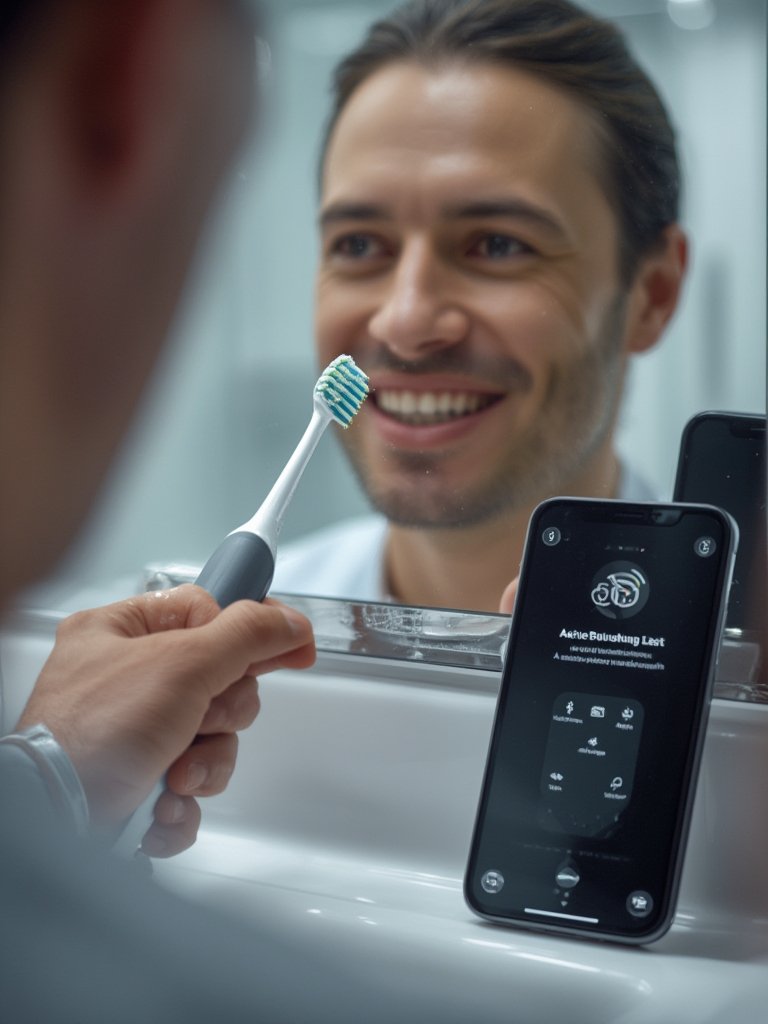
- Does the brush support offline tracking, or do you need the app open during every use?
- What’s the typical battery life for your brushing routine (and how does it compare to branded claims)?
- How frequently are firmware or app updates pushed, and which platform gets priority?
- What’s the cost and availability of replacement heads (can you subscribe, or are supplies uneven)?
- Is the trial period/return policy reasonable—at least 30 days?
First-week tests after purchase:
- Pair and sync to your main device; attempt connection after OS/app updates.
- Test live coaching accuracy and map coverage on several consecutive brushes.
- Try profile switching if multiple people will share the handle.
- Monitor battery usage and document discrepancies vs. marketing claims.
Looking for a comparison or want to browse reviews of budget brushes? See the Philips Sonicare ProtectiveClean 4100 review or the latest review of the Oral-B iO Deep Clean + Protect.
Troubleshooting cheat sheet — solve the most common Bluetooth and app problems
- If Bluetooth won’t pair: Fully close, then reopen the app. Forget the device in your Bluetooth settings, then repeat pairing. Restart your phone if needed.
- Session didn’t sync or shows missing data: Open the app and let it update for 30–60 seconds; check for pending app/firmware updates. For multi-profile families, ensure you’re logged in to the right account.
- Lost connection after OS update (Android): Go to Settings > Apps > Permissions, and re-enable both Bluetooth and “Location” for the brush app.
- IOS: App permissions missing after update: Open iOS Settings > App > Toggle Bluetooth and Location on.
- Trouble with profile switching: Log out and back in; reinstall the app if switching fails to register.
For both platforms: Opening the app before brushing and granting all requested permissions leads to more stable connections. Don’t ignore firmware updates.

Verdict and smart recommendations by buyer type
Value seeker: Focus on models that function well even without constant app use. Choose those with robust offline tracking and reasonably priced heads (Colgate hum, select Oclean models).
Gadget lover: Target flagship models for next-gen sensors and AI feedback—Oral-B iO 9/10 or Sonicare Prestige. Prepare for short battery life and higher head costs.
Family/shared users: Test multi-profile management and app workflow before committing. Physical profile selection (vs. in-app) saves headaches.
Oral-health patient: Prioritize proven track record—prefer models with stable firmware, predictable updates, and high app scores on your OS. Remember, validated health gains mainly come from electric (not smart vs. electric) use.
Key fact: Smart electric toothbrush adoption is highest where disposable income and app tolerance are both high—North America, Western Europe, China, and Japan. Choose premium models if you want the best connected toothbrush Bluetooth reliability and ongoing electric toothbrush app support. Make your final purchase after a trial week—test real-world syncing, app stability, and family workflow.
For more oral care solutions, see reviews of Listerine Pocketmist Cool Mint Breath Spray or the Waterpik Cordless Advanced 2.0 water flosser.
FAQ
How do I know if a smart electric toothbrush is compatible with my phone?
Check manufacturer compatibility lists and read app store reviews for your specific device and OS version. Most major brands support both iOS and Android, but app updates and bug fixes often arrive first for iPhone users.
Are AI-guided brushing features really worth the extra price?
Clinically, electric brushes outperform manual ones, but extra gains from AI feedback or live coaching apps aren’t robustly quantified in independent trials as of 2024. Buy for app engagement or motivation if you value it—but set realistic expectations.
How long should a smart electric toothbrush battery last?
Premium models usually promise 10–14 days (Oral-B iO series) or 14–28 days (Philips Sonicare Prestige/DiamondClean) per charge under typical use. Real-world duration may be shorter, especially with live Bluetooth or intense vibration modes.
What’s the most common fix for Bluetooth pairing problems?
Fully close and restart the app, forget the brush in Bluetooth settings, then re-pair. On Android, check that all permissions (especially Location) are granted. After OS updates, repeat this process.
What’s the real annual cost of ownership for a smart electric toothbrush?
Expect to pay about $120–$350 upfront for premium smart models, with yearly replacement brush head costs between $20–$60. Subscriptions may lower costs slightly, but remember to verify head availability and app update policy in your region.