

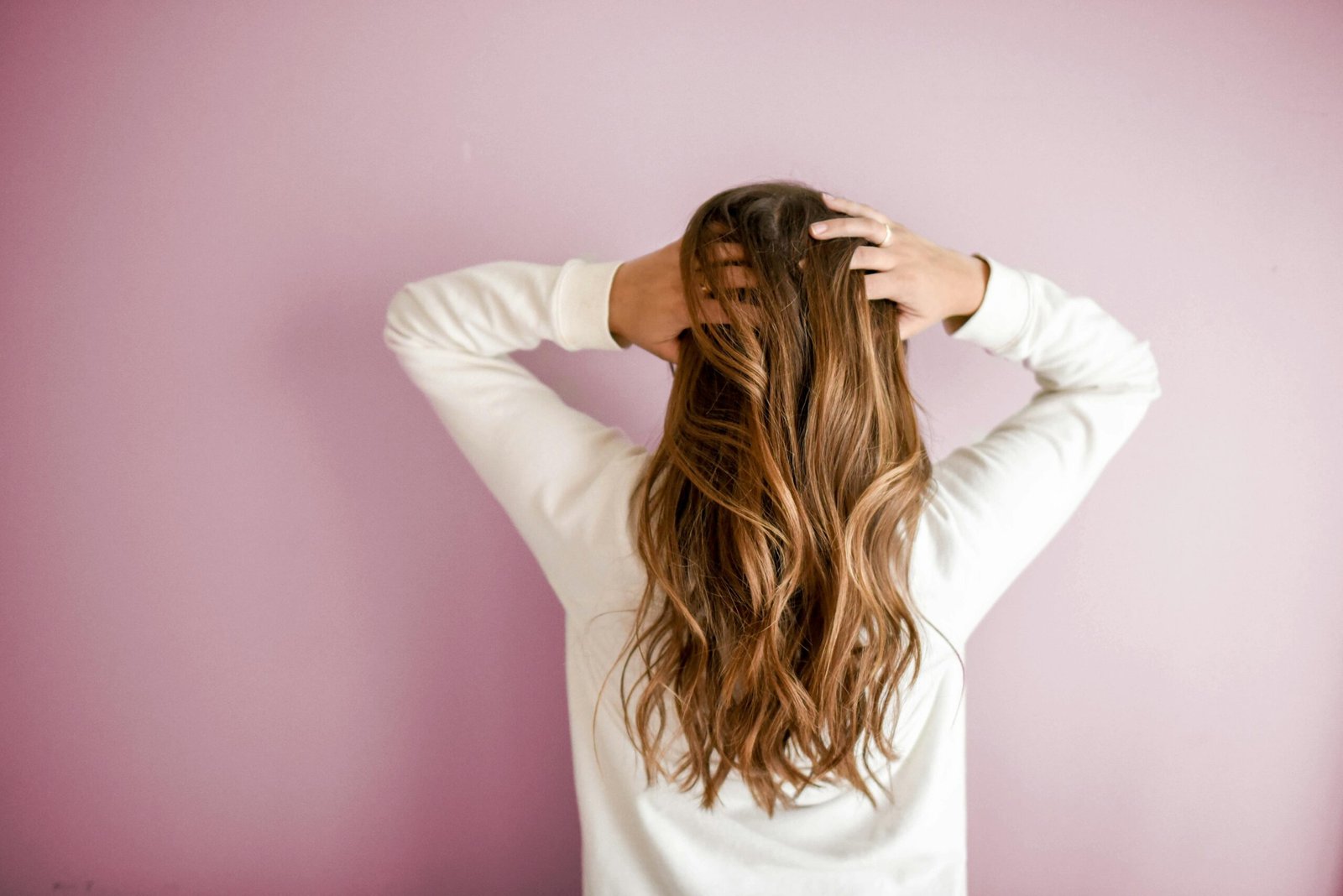
Healthy hair starts with science. Unlock actionable, research-backed tips for every hair type whether your goal is longer, fuller hair or stronger, healthier strands. This guide includes at-home growth strategies, plus specialized advice for men and curly hair.
Healthy Hair: Quick Test Heading
Achieving healthy hair growth naturally starts with what you fuel your body with. Dietary choices loaded with lean proteins, iron, zinc, and B vitamins directly impact hair strength and growth, as hair follicles depend on these nutrients for keratin production. Vitamin D and antioxidants from a colorful array of fruits and vegetables also play a role in maintaining scalp health and minimizing oxidative stress, a known inhibitor of follicle activity.
The catagen phase is a brief transition, lasting about two weeks, during which hair follicles shrink and growth temporarily stops. This is followed by the telogen phase, a resting period of around three months before old hairs shed and new ones emerge. Scalp hair experiences a much longer anagen phase than body hair, which is why body hair remains shorter.
Keratin, the primary structural protein in hair, provides strength and resilience, supporting Healthy Hair throughout each phase of the cycle. Common myths, such as believing frequent trims accelerate growth, stem from misunderstandings of these natural hair cycles. By understanding and respecting these phases, you can better care for your hair and promote long-lasting Healthy Hair.
Healthy Hair: Growth Strategies for Curly Hair
Curly hair’s spiraled structure makes it distinctively beautiful but also vulnerable to dryness and breakage. The twists and coils impede scalp oils from distributing evenly, meaning moisture retention must be prioritized. *Consistent application of hydrating leave-in conditioners and weekly deep conditioning masques strengthens fragile strands.* The Curly Girl Method, which eliminates sulfates and silicones, fosters a gentle cleansing routine that preserves natural oils and structure. Co-washing with cleansing conditioners and using lukewarm instead of hot water further prevents moisture loss.
When detangling, always use a wide-tooth comb or fingers and detangle while hair is saturated with conditioner to minimize breakage. Protective styles like braids or loose buns help prevent stress on the hair shaft, but should not be too tight, which can cause tension-related damage. *Look for products formulated with shea butter, aloe, or coconut oil to enhance shine, elasticity, and overall growth potential.*
Healthy Hair: Science and Natural Care Routines
Men’s hair growth is dictated by both genetics and androgens like testosterone, manifesting in distinct patterns such as receding hairlines or vertex thinning. Understanding these mechanisms helps tailor effective care. To stimulate growth and maintain strength, focus on scalp health: regularly massage the scalp to boost blood flow and avoid harsh shampoos that can dry or irritate. Maintaining Healthy Hair involves adopting key practices that protect strands and support growth. Minimize tight hairstyles, excessive hat-wearing, and exposure to harsh chemicals, as these factors can accelerate shedding or thin hair. Be gentle when towel-drying and combing, since breakage can lead to visible thinning.
Nutrition plays a vital role in promoting Healthy Hair. Diets rich in protein, iron, zinc, and essential vitamins nourish hair follicles from within, supporting stronger, more resilient strands. Avoid common myths, such as the idea that frequent shaving makes hair thicker shaving does not affect hair texture or growth rate.
Men’s hair routines are typically simpler than women’s, focusing on scalp hygiene and quick, strengthening treatments that fit active lifestyles while maintaining Healthy Hair.
Healthy Hair: Long-Term Habits for Lasting Strength
Developing Healthy Hair is built on consistent long-term habits rather than quick fixes. Regular trims every 8–12 weeks prevent split ends, supporting steady growth and thicker ends. Minimizing heat styling and harsh brushing by choosing air drying and wide-tooth combs helps protect hair cuticles from unnecessary stress.
Protective styles such as braids, buns, and twists reduce friction and breakage, especially for curly or textured hair, while still allowing for scalp checks and proper moisture retention. Weekly deep conditioning treatments maintain hair strength and suppleness, which is vital for all hair types.
Equally important is managing stress through exercise, meditation, or creative activities, as chronic stress can disrupt the hair growth cycle. Consistency and patience are essential: while results may take months, these enduring routines promote stronger, fuller, and truly Healthy Hair over time.
Conclusions
Healthy hair growth is a journey, shaped by genetics, lifestyle, and tailored care. By understanding hair’s biology and adopting routines that suit your hair type, you empower natural growth, boost resilience, and enjoy vibrant, strong hair over time.