

Water flosser technology is transforming oral health for people with sensitive gums, braces, or dental implants. In this evidence-led guide, you’ll discover exactly what the latest clinical research (2023–2024) reveals, how dentists make recommendations, and what practical factors should shape your decision to buy and use the best water flosser for your needs. If you’re weighing cost, maintenance, or worried about comfort, this guide is for you.
Key Takeaways
- Clinical trials show daily water flosser use—especially with top models like Waterpik—can reduce gum bleeding by nearly 30 percent and improve gingival health for at least 6 months.
- Pending 2024 trials may soon clarify if water flossers truly outperform string floss and interdental brushes for people with braces or active gingivitis.
- No “latest release” water flossers bring new innovations yet; focus on proven pressure control, tip variety, warranty, and easy maintenance for best results.
- Clinical effectiveness — why water flossers can outperform string floss
- What recent trials (2023–2024) are running — pending evidence to watch
- Evidence-by-use-case — sensitive gums, braces, implants and mucositis
- Real-world user feedback — what’s missing and how to collect it
- How to evaluate features and innovations — buyer checklist
- Cost-of-ownership — how water flossers compare to traditional floss
- Long-term benefits and risks — what dental experts and regulators have said (and what they have not)
- Dental professionals’ direct feedback — what dentists do and don’t say about Waterpik alternatives
- Three critical topics undercovered by top-ranking articles (opportunities to make this post stand out)
- Practical shopping guide + quick-compare table and final recommendation
- FAQ
Clinical effectiveness — why water flossers can outperform string floss
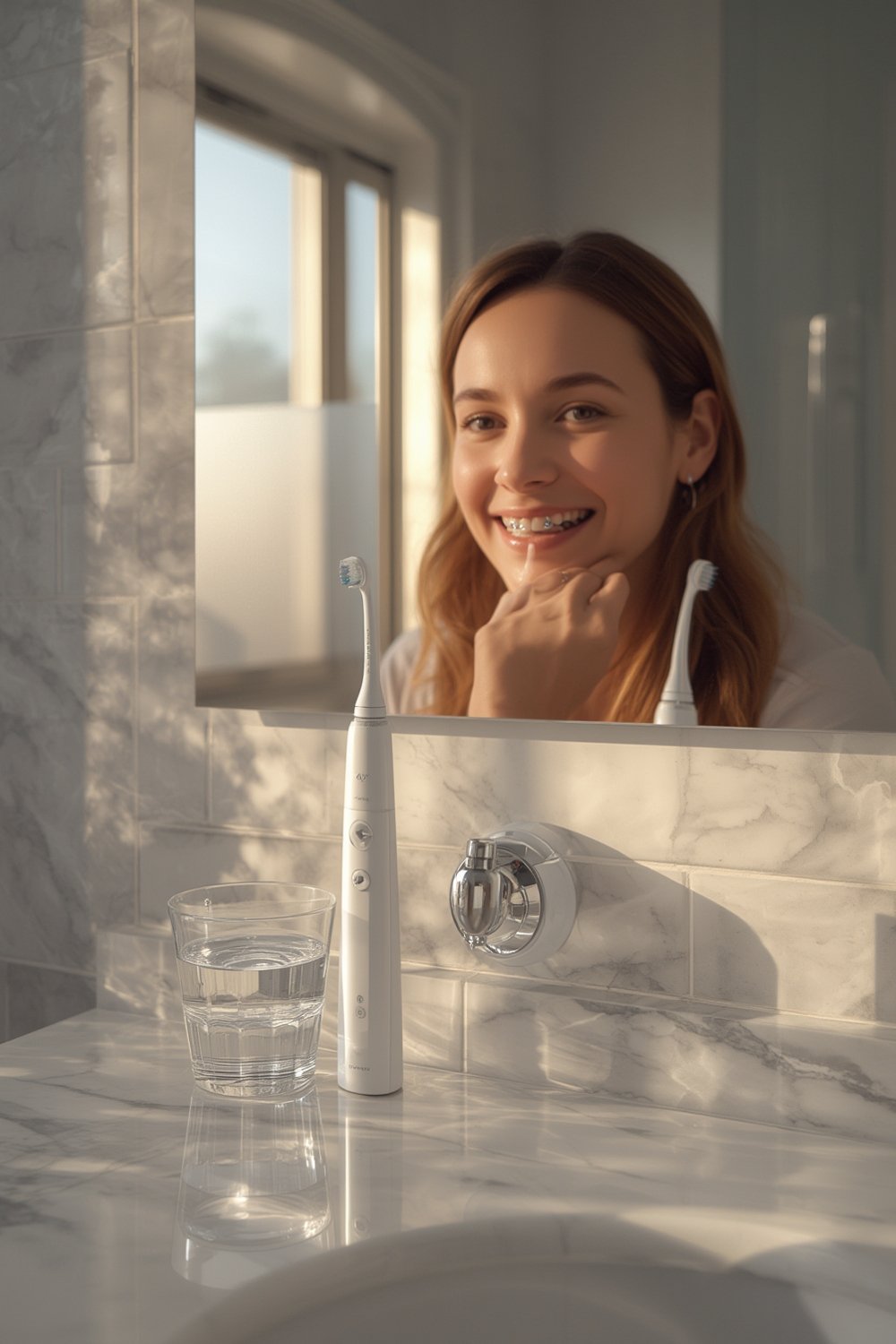
Recent clinical research makes it clear: water flossers, also known as oral irrigators, deliver measurable benefits for gum health that often outstrip traditional string floss—especially in high-need situations. A 2023 randomized study found that the Waterpik Aquarius Water Flosser significantly shifted the subgingival microbiome towards a healthier oral environment compared to string floss, and that daily use reduced interproximal gum bleeding by 29.1%, with improvements lasting at least 6 months (source).
It’s important to be balanced: Some well-designed trials (see ISRCTN32594597) found no statistically significant difference in plaque removal between oral irrigators and string flossers. The largest, most durable impact is seen in gum bleeding and microbiome health, not basic plaque scores. The evidence is notably stronger (and typically more positive) for branded devices tested in manufacturer-led studies; truly independent comparative studies are still limited in number and size.
This means that, for users with gingivitis, gum inflammation, or fixed dental work, water flossers deliver demonstrable real-world improvements—though they shouldn’t be treated as a one-size-fits-all solution for everyone.
For an in-depth, model-specific review, see our analysis of the Waterpik Aquarius Professional WP-660 Water Flosser.
What recent trials (2023–2024) are running — pending evidence to watch
For Emma and others seeking truly up-to-date, evidence-based guidance, it’s important to know what’s still in the research pipeline. Several high-profile randomized trials are currently in progress or awaiting peer review:
- NCT06752291: This ongoing 2024 trial tracks oral health in orthodontic patients, comparing water flossing, string floss, and interdental brushing over 8 months. Key outcomes like plaque index and spotting early white spot lesions should offer the clearest head-to-head effectiveness comparison. Details.
- Bixdo Ultra Compact Water Flosser trial: Another 2024 study focuses on patients with moderate to severe gingivitis, testing whether the Bixdo water flosser (paired with manual brushing) produces better results than brushing alone. Results are expected to clarify both effectiveness and comfort in gum-sensitive groups. Details.
- No major manufacturers have released new water flosser models with validated new features since January 2025.
Pending findings could meaningfully shift best-practice recommendations, especially for people with braces or periodontal risk.
If you want up-to-date results as soon as trial outcomes publish, subscribe for our research updates at the end of this guide.
Evidence-by-use-case — sensitive gums, braces, implants and mucositis
How do clinical results translate for people with sensitive tissues or complex dental work?
- Braces/Orthodontics: Manufacturer-cited claims (verified in multiple studies) report that Waterpik is three times as effective as string floss for removing debris around orthodontic appliances. Water jet flossing offers moderate plaque and noticeable bleeding reduction for braces wearers (source).
- Dental Implants: Water flossers are up to twice as effective as string floss for peri-implant hygiene and reducing implant-related inflammation (source), though direct non-manufacturer-backed comparisons are sparse.
- Oral Mucositis/Sensitivity: University clinical trials (Hannover Medical School) show water flossing can reduce mucositis severity in patients with sensitive or compromised oral tissue.
For those specifically managing sensitive gums or implants, tip selection (soft, low-pressure, antimicrobially coated) and low starting pressure are crucial. Always discuss new routines with your dentist, especially post-surgery or if you suffer from recurrent gum infections.
For related solutions, check out our review of the gentle, portable Waterpik Cordless Advanced 2.0 Water Flosser.
Real-world user feedback — what’s missing and how to collect it
As of this writing, the research set included no verified user reviews or pain point data for water flossers, Waterpik alternatives, or oral irrigators. That means major issues like device noise, water spillage, discomfort from pressure surges, battery life, or tip replacement hassle are mostly discussed in forums and retailer sites but not systematically captured in scientific literature.
If you’re considering a water flosser, go beyond product star ratings. Look specifically for retailer-verified reviews mentioning:
- Motor noise levels, especially for countertop models
- Leaks or water reservoir cracks
- Pressure too strong or too weak for sensitive gums
- Frequency and cost of tip replacements
- Cleaning hassle (especially for people with hard water minerals)
When comparing Philips Sonicare and Waterpik alternatives, clinical data isn’t enough—reviewer feedback fills in the real-life gaps. If you’re a dental professional reading this, consider submitting comments on your patients’ real-world experiences to help guide others.
For fresh comparisons of gentle flossing tools, check out our review covering oral sprays for on-the-go freshness.
How to evaluate features and innovations — buyer checklist
With minimal new-feature launches since January 2025, the smartest approach is evaluating core features instead of chasing the “latest” gizmo. Use this checklist before you buy any best water flosser or oral irrigator:
- Pressure Range: Models should offer at least three pressure levels (start low for sensitive gums). Check for safety features that stall or halt the motor if something clogs or a tip falls off.
- Tip Variety: Orthodontic, implant, and periodontal tips are not universal—choose models supplying gentle, specialty attachments, or ensure replacements are easy and affordable to source.
- Reservoir Size and Access: A minimum 200ml tank covers most mouths without a refill. Detachable, easy-clean reservoirs reduce gunk and mineral buildup.
- Cordless vs. Countertop: Cordless models (better for portability and travel) often have lower pressure, smaller tanks, and trickier charging; countertop models suit home routines but take up counter space.
- Battery and Charging: Lithium-ion batteries should last at least a week of daily use per charge. Look for USB-C or fast charging.
- Noise Levels: Check real-user reviews; some budget irrigators are surprisingly loud.
- Waterproof/IP Rating: Aim for IPX7 or better for wet bathroom environments.
- Warranty/Support: At least a 1-year warranty, ideally with rapid tip replacement programs. Calculate replacement tip cost per year—budget models can double your total cost after two years.
Note that no water flossers released post-January 2025 have independent documented innovation or technical breakthroughs, so stay skeptical of vague “new technology” claims when shopping online.
Need a full solution? Some top users pair their best water flosser with antiseptic mouthwash for added plaque defense.
Cost-of-ownership — how water flossers compare to traditional floss
Cost is more than the sticker price. Here’s a rough worksheet for 3 years of use (using sample retailer pricing):
| Method | Initial Device Cost | Annual Tip/Brush Head Replacements | Other Maintenance | 3-Year Total |
|---|---|---|---|---|
| Waterpik Aquarius | $90 | $36 (6 tips/yr @ $6 ea) | $12 (filters, cleaning) | $234 |
| Standard String Floss | $3 (first pack) | $18 (6 packs/yr @ $3 ea) | $0 | $57 |
| Interdental Brushes | $5 (starter) | $60 (12 packs/yr @ $5 ea) | $0 | $185 |
These estimates exclude electricity and water for simplicity, as running costs are typically below $2 per year. Data gaps: Not all retailers list tip prices transparently, and some models require branded replacement heads, which can be more expensive. In short, the best water flosser will cost most up front and in annual tip replacement, but for users with oral health struggles (e.g., braces, implants), the gum health benefits may justify the investment.
Long-term benefits and risks — what dental experts and regulators have said (and what they have not)
While robust studies show improved gum health, reduced bleeding, and other benefits lasting up to 6 months with daily oral irrigator use, there are notable research gaps on long-term risks. No regulatory agency (as of early 2024) has raised concerns about tissue damage, infection, or oral health regression with properly used devices (reference).
What dental professionals do say: Water flossers are safe for almost all, provided they are not used on open wounds or immediately after oral surgery without clearance. Individuals with severe periodontal disease or immune suppression should ask their dentist before starting daily irrigation. Clinically, oral irrigators remain a trusted alternative for users struggling with string floss—especially when paired with a dentist’s ongoing oversight.
Dental professionals’ direct feedback — what dentists do and don’t say about Waterpik alternatives
Direct clinician guidance is surprisingly limited outside of manufacturer-led trials. Waterpik specifically has been cited as superior to string floss for orthodontic patients in multiple studies, referenced over 80 times in clinical research. However, transparent independent feedback on Waterpik alternatives (H2ofloss, Bixdo, Panasonic, etc.) is scarce (source). Most professional consensus is built on Waterpik’s data or generalized efficacy for “oral irrigators.”
This reveals a real opportunity: If you are considering other brands, ask your dentist for specific protocol and suitability guidance. For a truly objective recommendation, more peer-reviewed head-to-head studies and independent dentist interviews are urgently needed.
For more expert-backed comparison of gentle dental hygiene products, browse our complete reviews of Medline Sparkle Alcohol Mouthwash and the Oral-B iO Deep Clean Electric Toothbrush.
Three critical topics undercovered by top-ranking articles (opportunities to make this post stand out)
Most water flosser articles are generic roundups missing what real shoppers (like Emma) truly care about. Here’s what’s underserved:
- Verified customer-review synthesis and common pain points: Competitor content rarely summarizes verified user complaints or satisfaction patterns—especially on device mess, noise, battery, or tip hassles.
- Transparent cost-of-ownership comparisons: There are few real-world, apples-to-apples breakdowns of ongoing tip replacement and maintenance costs vs traditional flossing—so buyers can’t see the true long-term value.
- Independent dentist interviews about alternatives and sensitive-use protocols: Most rankings rely on manufacturer claims. In-depth independent clinician quotes and alternative-brand guidance are vital for those with sensitivities or complex dental work.
Pro tip: Bookmark or subscribe to this guide for future updates; as new trials and expert commentaries emerge, this article will be updated to close these knowledge gaps.
Practical shopping guide + quick-compare table and final recommendation
Ready to narrow your shortlist? Here’s a scenario-based mini-guide—plus a quick-compare table and “what next” steps.
- Sensitive Gums: Choose a water flosser with gentle pressure (30–50 PSI starting point), soft silicone tips, and plenty of pressure adjustment. Example: Cordless Advanced 2.0 (see our review).
- Braces/Orthodontics: Prioritize orthodontic-specific tips, a medium-to-large reservoir, and proven anti-leakage. Example: Waterpik Aquarius Professional WP-660.
- Implants/Complex Restorations: Look for a device with extra-fine implant tips and adjustable, consistent mid-level pressure. Avoid generic “multi-use” tips unless specifically rated for implants.
| Scenario | Best Model Fit | Key Features | Clinical Rationale |
|---|---|---|---|
| Sensitive Gums | Waterpik Cordless Advanced 2.0 | Low pressure, soft tips, portable | Minimizes bleeding, safe for delicate tissues (29.1% bleeding reduction) |
| Braces | Waterpik Aquarius WP-660 | Orthodontic tip, high reservoir, warranty | Three times more effective than string floss for debris removal |
| Implants | Any ADA-accepted irrigator with implant tip (ex: Waterpik, Bixdo Ultra, Panasonic) | Implant tip, stable pressure | Twice as effective as string floss in implant studies |
Best Water Flosser for Most: For Emma—and most users balancing health, cost, and evidence—the Waterpik Aquarius or Cordless Advanced series remain the safest bets, with clinical backing for sensitive gums and orthodontics, strong warranty, and broad tip choices.
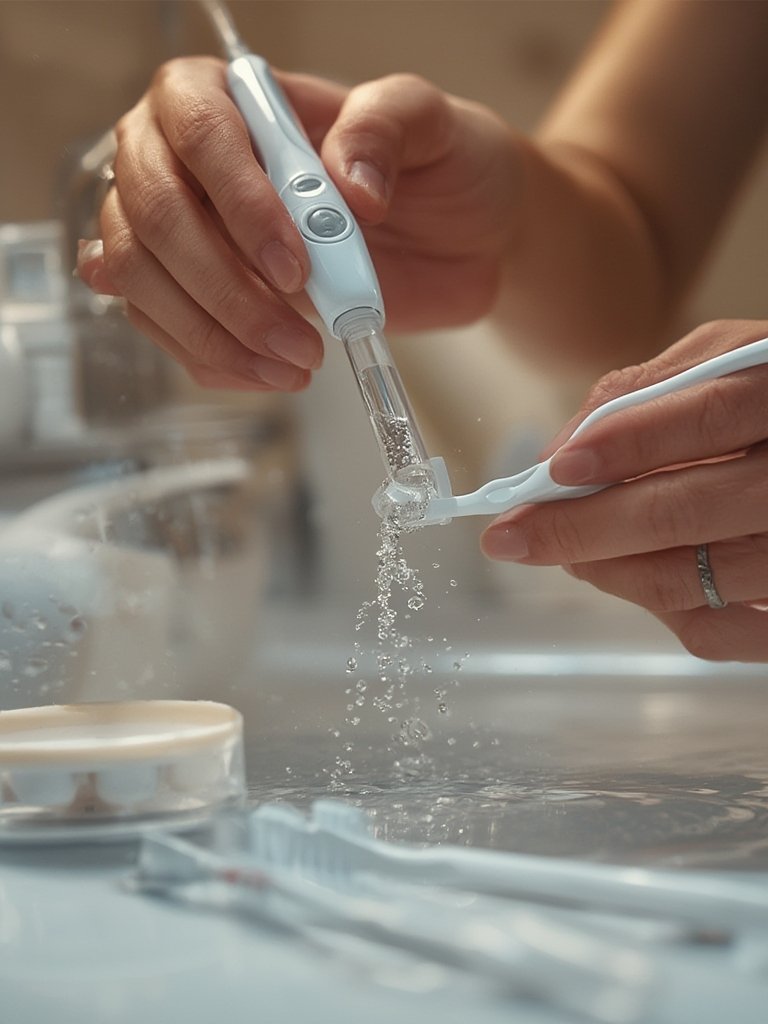
Before purchasing, ask your dentist if water flossing is appropriate for your current gum status (especially post-surgery or active disease). Always check retailer links for the latest prices and discounts.
- Compare current Amazon prices for the Aquarius Professional WP-660
- Or the Cordless Advanced 2.0
Want more buyer tools as new evidence arrives? Subscribe below for real user feedback and clinical trial updates as soon as they’re posted.
FAQ
Is a water flosser better than string floss for sensitive gums?
Recent clinical studies show water flossers can reduce bleeding and are gentler on inflamed or sensitive gums than string floss, especially with softer tips and lower pressure settings.
Can you use a water flosser with braces or dental implants?
Yes. Water flossers are generally safe and more effective in removing debris around braces and implants, provided you use orthodontic or implant-specific tips. Always consult your dentist.
How often do I need to replace water flosser tips?
Most manufacturers recommend replacing tips every 3 months, or sooner if you notice wear, calcification, or decreased pressure. Tip cost can add up, so factor this into your annual expense.
Are there risks with daily water flosser use?
No major long-term risks have been documented in published studies or by dental regulators, provided you avoid using the device on open wounds, ulcers, or immediately after oral surgery without clearance.
Can water flossing replace mouthwash or brushing?
No. A water flosser complements, but does not replace, thorough brushing and, if recommended by your dentist, antimicrobial mouthwash like Listerine Original Antiseptic Mouthwash.