

Lip Slugging is fueling a wave of beauty hype, but what does the evidence actually say about nightly occlusive lip care? If you’re a skincare-curious adult looking for science-backed, risk-aware advice before adopting this viral routine, you’re in the right place. Let’s break down what’s real, what’s missing, and what you can safely act on when it comes to lip slugging.
Key Takeaways
- No clinical studies directly examine “lip slugging” as a practice—only general occlusive lip care is studied.
- Trials show short-term improvements in lip hydration and appearance with occlusive products, but long-term safety and real-world user frustrations are data gaps.
- Patch testing and cautious overnight trialing are the safest steps; watch for missing evidence on allergy risk, daily cost, and market size.
- What is “lip slugging” and how it’s practiced
- How to do lip slugging: Step-by-step guide
- Advanced analysis & common pitfalls: What’s missing and what to watch out for
- Conclusion: Should you try lip slugging?
- FAQ: Lip Slugging & Occlusive Lip Care
What is “lip slugging” and how it’s practiced
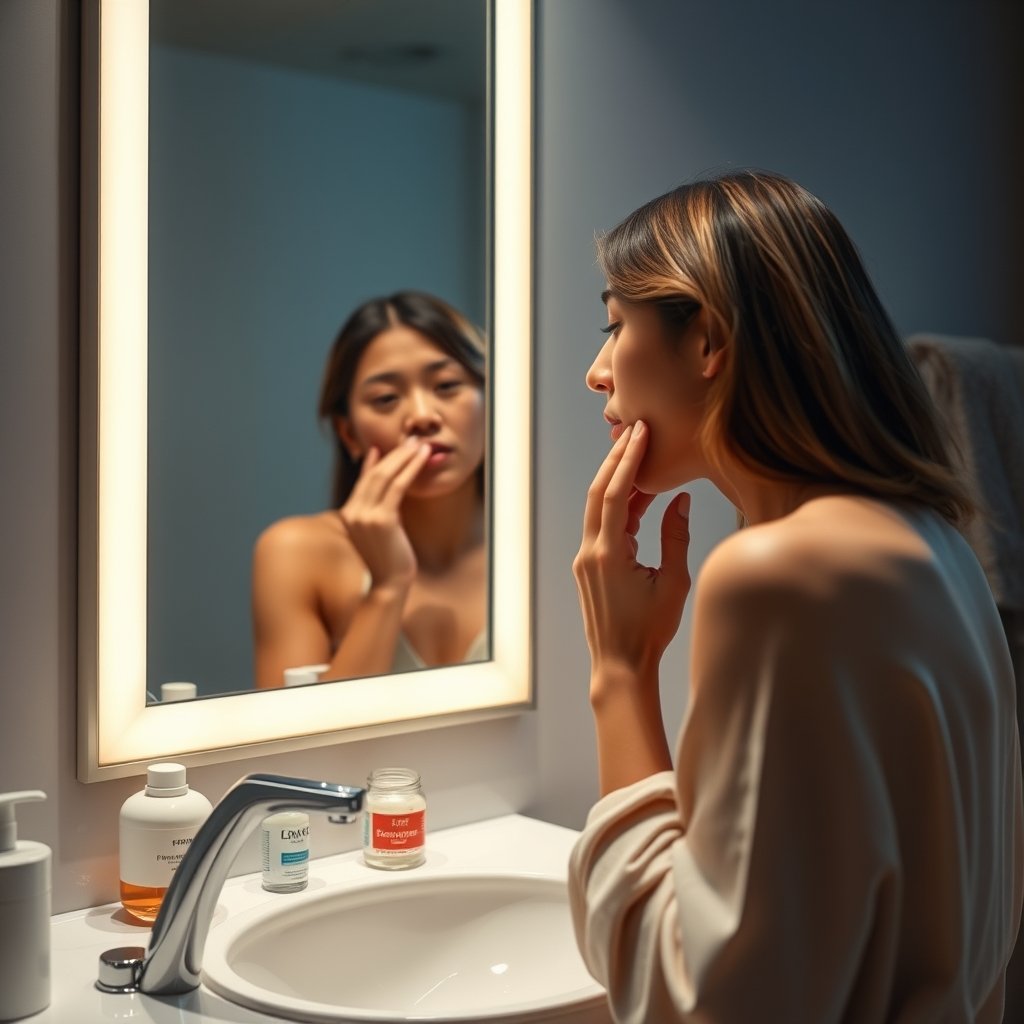
Lip slugging is the routine of applying a thick, occlusive layer—typically petrolatum, lanolin, or a heavy balm—over the lips, often after lighter hydration steps, and leaving it on overnight. The idea, borrowed from the “skin slugging” trend, is to seal in moisture and accelerate healing by creating a protective barrier. Related terms you may see include the lip basting technique, “overnight lip masking,” and “occlusive lip care.”
Common methods include layering occlusives over hydrating serums, peptides, or masks at night, or simply using plain petrolatum as the last step before sleep. The routine usually looks like this:
- Apply a hydrating base (like a peptide or hyaluronic acid lip treatment—see our Peptide Lip Treatment Guide for options)
- Wait a few minutes for absorption
- Coat lips with a thick occlusive layer (e.g., petroleum jelly or a heavy balm) right before bed
It’s important to underline: No clinical studies directly evaluate lip slugging as a named practice. The data we have looks at occlusive or moisturizing lip products in general, not the viral “lip slugging” technique specifically
(source, source).
How to do lip slugging: Step-by-step guide
If you want to try lip slugging, here’s a practical, science-conscious routine to follow, based on what’s been tested in occlusive lip care studies:
- Cleanse lips gently: Remove makeup, food debris, or long-wear tints (see our Peel-Off Lip Stain Guide for staining removal tips).
- Apply a hydrating lip product (optional): Consider a serum containing hyaluronic acid, peptides, or gentle humectants.
- Wait for absorption: Give it 2–5 minutes to set and avoid rubbing lips together.
- Spread a thick, even layer of occlusive: Use petrolatum, lanolin, or a formulated overnight lip mask. Cover the lip line and border for best occlusive seal.
- Go to sleep: Avoid eating or brushing teeth after slugging to keep the barrier intact overnight.
- In the morning: Gently wipe off residue before eating/drinking, and assess lip feel and appearance.
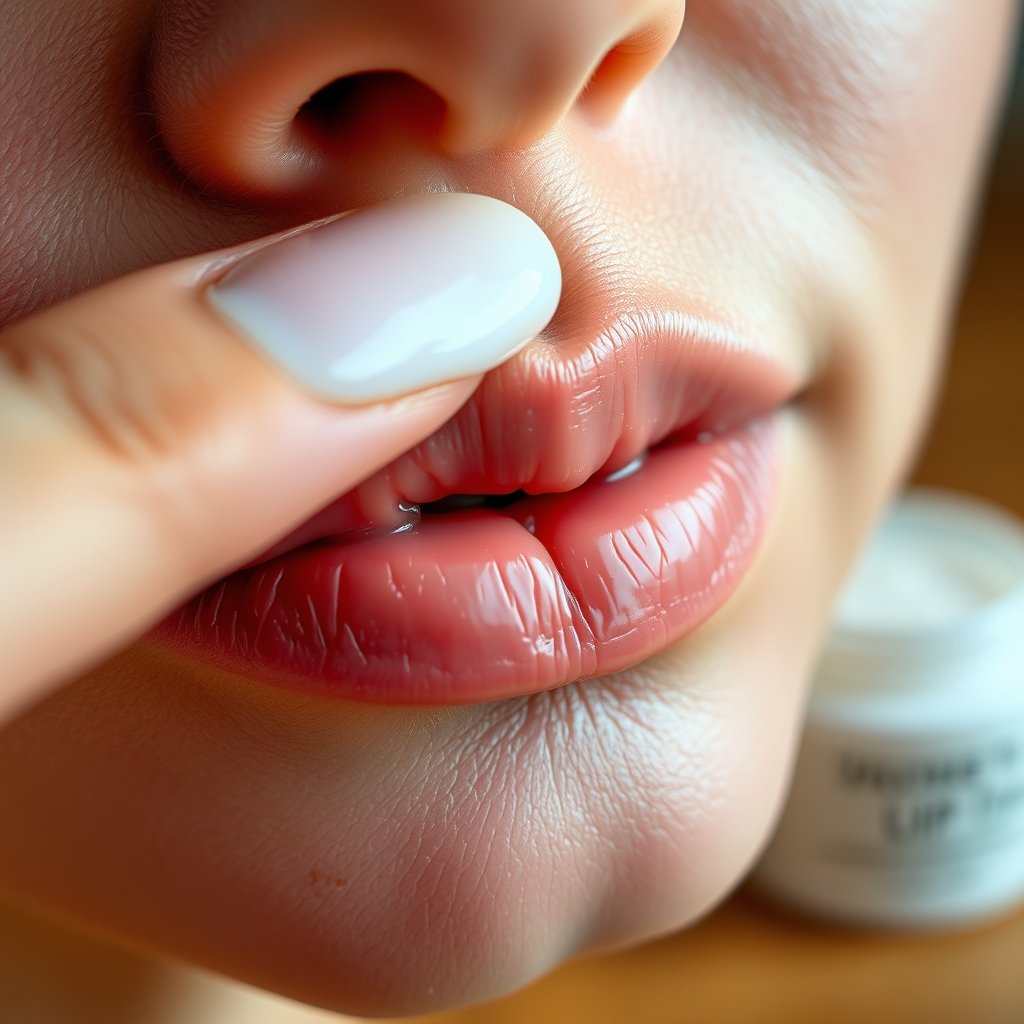
Want fast repair after accidental over-exfoliation? The occlusive barrier can trap moisture and speed up visible healing—but be aware: research shows benefits are limited to 2–28 days in clinical studies, and there’s a lack of confirmed long-term safety data (source).
Advanced analysis & common pitfalls: What’s missing and what to watch out for
The evidence for lip slugging rests on broader studies of occlusive lip care and overnight lip masking. Here’s what clinical studies confirm—and key gaps where you should be cautious.
- Short-term benefits only: Human trials of lip creams and masks show measurable improvements in hydration (TEWL decrease of 7.19 units, corneometry up 4.62) and up to 94% reduction in cracking, dryness, and roughness after 2–4 weeks. But no studies track effects past 28 days.
(source,
source) - No head-to-head “lip slugging” comparisons: While trials compare herbal lip hydrants to petrolatum, there are no direct comparisons of lip slugging, ceramide lip sealing, or lanolin vs. petrolatum. Studies found both herbal and petroleum controls reduce roughness and dryness, with the herbal test giving greater chapped lip improvement in one RCT (source).
- Safety and allergy incidence data are incomplete: Published studies report “zero adverse events” for common lip occlusives (petrolatum, peptides, HA, herbals) across short trials (source). However, there are no published rates for ingredient-specific allergic reactions, so rare sensitivity or mucosal irritation may still occur.
- No published user frustration data or long-term negatives: Trials don’t document complaints about occlusive feel, morning residue, or product interference with makeup/dental work. Any such negatives are only found in anecdotal online reviews.
| Aspect | What’s Proven | What’s Missing | Practical Note |
|---|---|---|---|
| Hydration/Repair | Short-term (2-28 days) effectiveness in hydration, scaling, and repair | No long-term (>1 month) data | Assess your lips’ response monthly; don’t assume continuous benefit |
| Safety/Risks | Zero adverse events in short trials | No allergy or rare reaction tracking; no data on chronic use | Patch test and monitor for irritation, especially mucosal |
| Cost & Market | No data on pricing or spend | No monthly cost, no market stats for 2024 | Estimate cost by product weight, application frequency, and price per gram |
| Experience | No documented user negatives or complaints | No qualitative/user-experience data | Account for taste, feel, morning routine integration yourself |
Want to explore more about barrier repair and advanced lip routines? Check out our detailed Lip Barrier Repair Guide for science-backed approaches.
Conclusion: Should you try lip slugging?
The current evidence shows that occlusive overnight lip care, which includes lip slugging, improves hydration and visible lip texture within 2–28 days. Petrolatum and similar occlusives are well-tolerated in short-term studies, but there are no direct trials of the lip slugging trend, nor are there data on allergy rates, cost, or long-term safety.
Proceed with a conservative approach: patch test any new product, limit use to overnight, and discontinue at any sign of irritation. Evaluate benefits after a month, and adjust based on your own experience—especially in your morning lip routine and layering with makeup. If you want the advanced benefits of peptide or ceramide formulas, see our research on Tri-Peptide Lip Therapy and Luxury Fragrance Add-Ons.
Curious about future lip science, ingredient risks, or market trends? Watch for updates from Euromonitor or Statista for industry data as published. Until then, use lip slugging with informed skepticism—and always put evidence ahead of hype.
Want more ingredient science and practical guides? Subscribe for our evidence-first updates.
FAQ: Lip Slugging & Occlusive Lip Care
Is lip slugging better than regular lip balm?
No clinical trials directly compare lip slugging to traditional lip balm. Studies show short-term hydration benefits from occlusives, but not superiority of slugging as a technique. Both methods reduce dryness, but choose what fits your needs and tolerance.
Are there risks to leaving petrolatum or balm on my lips overnight?
Short-term studies report no adverse events, but no data exists on rare reactions or mucosal irritation in the long run. Always patch test and watch for any discomfort, taste issues, or irritation before making it a nightly routine.
What’s the difference between “ceramide lip sealing” and petrolatum slugging?
No studies have directly compared ceramide formulas to petrolatum, lanolin, or other occlusives. Ceramide lip sealing aims for barrier repair, while petrolatum mainly stops water loss. If you want anti-aging or repair benefits, look for proven ingredients and see our Lip Barrier Repair Guide.
Can lip slugging be done in the morning?
There’s no clinical data on morning lip slugging. Heavy occlusive layers may interfere with eating, drinking, or makeup. If you try it, use a thin layer and monitor for residue or taste issues—especially before applying lipstick or lip tints (Blurred Lip Liner Guide).
How do I calculate the cost of a lip slugging routine?
No 2024 cost data is published. To estimate, check the price per gram of your product, divide the jar size by how much you use nightly, and multiply out for a month. Track your actual use before investing in expensive formulas.