

Blurred Lip Liner is rapidly redefining how lips are contoured, colored, and worn in 2026. This technique focuses on soft, hazy edges and a diffused, “lived-in” effect that is now driving innovation across the lip liner market. Below, discover what this means, how to master the look, and what to watch out for to achieve the blurred lip trend with less frustration and more staying power.
Key Takeaways
- The blurred lip liner trend is surging worldwide, driving a 300% increase in user searches and market adoption through 2026.
- Soft, feathered outlines and blending tools are replacing harsh, defined edges for a more natural and modern look.
- Mastering the diffused technique takes practice—common mistakes include uneven pigment, fading, and product mismatch.
The Core Concept
Blurred lip liner is a technique that achieves soft, natural-looking edges instead of sharp, defined lines. Inspired by K-beauty and viral social media tutorials, the look mimics how a lipstick naturally fades at the perimeter. The trend breaks away from over-lined, crisp borders and avoids harsh contrasts between liner and lip color. As a result, lips appear fuller, more relaxed, and youthful—key drivers behind its mainstream appeal heading into 2026.
This approach is more forgiving than traditional methods, reducing the pressure to draw perfect edges. Retailers and brands are responding by launching blurring lip pencils, blending brushes, and creamy, smudge-friendly formulas. In the United States, lip liner sales are climbing sharply: up 28% in the prestige market and 36% in mass retail in the first eight months of 2025 (source). Globally, the lip liner segment will reach $1.12 billion by 2026, advancing at a 6.7% CAGR (source).
For a wider exploration of beauty trends shaping 2026, see our Perfume Trends 2026 Guide for insights into related consumer shifts.
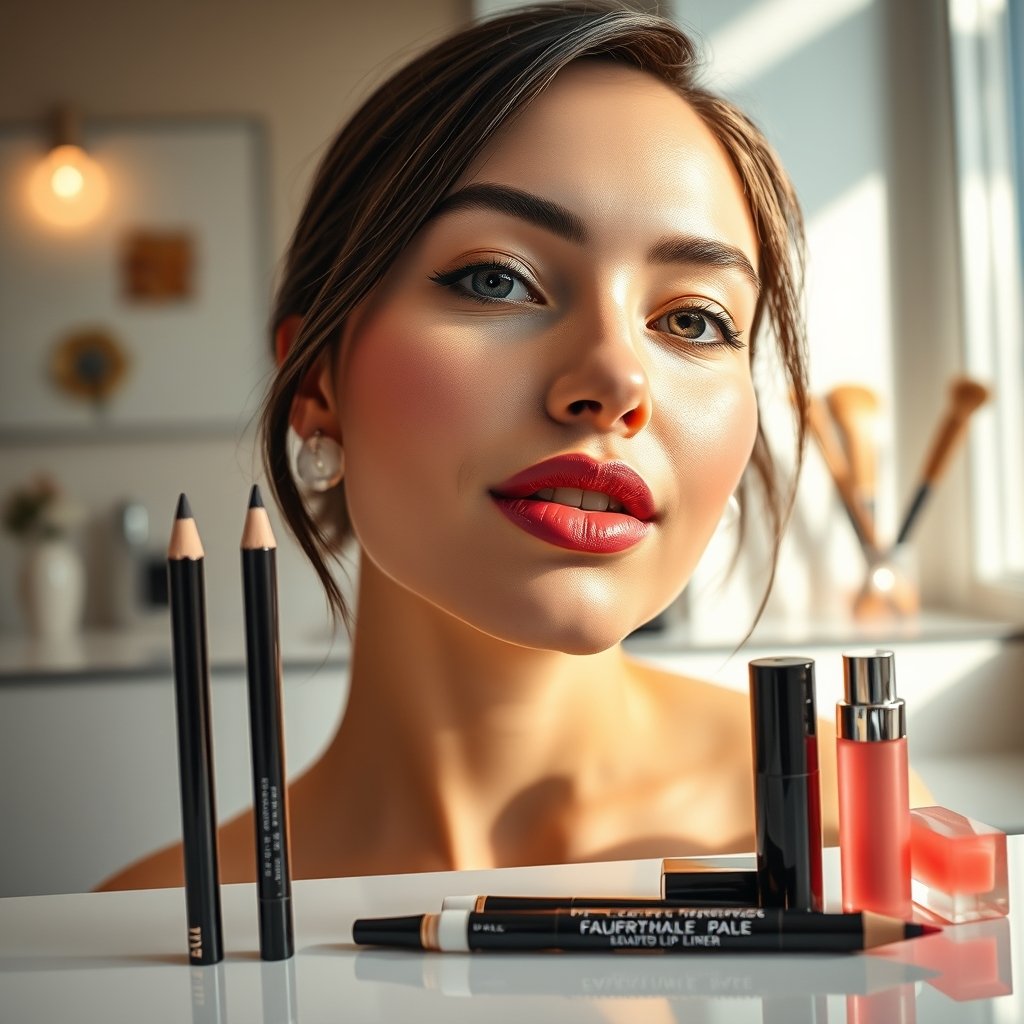
Step-by-Step Guide
The right blurred lip liner look is seamless but intentional. Here is a practical, repeatable process to nail the technique—whether using drugstore finds or new-generation K-beauty tools.
- Prep Your Lips: Exfoliate and moisturize for a smooth base. Avoid sticky balms—opt for a lightweight primer when possible.
- Choose the Correct Pencil: Select a creamy, blendable formula, ideally one to two shades darker than your natural lip tone.
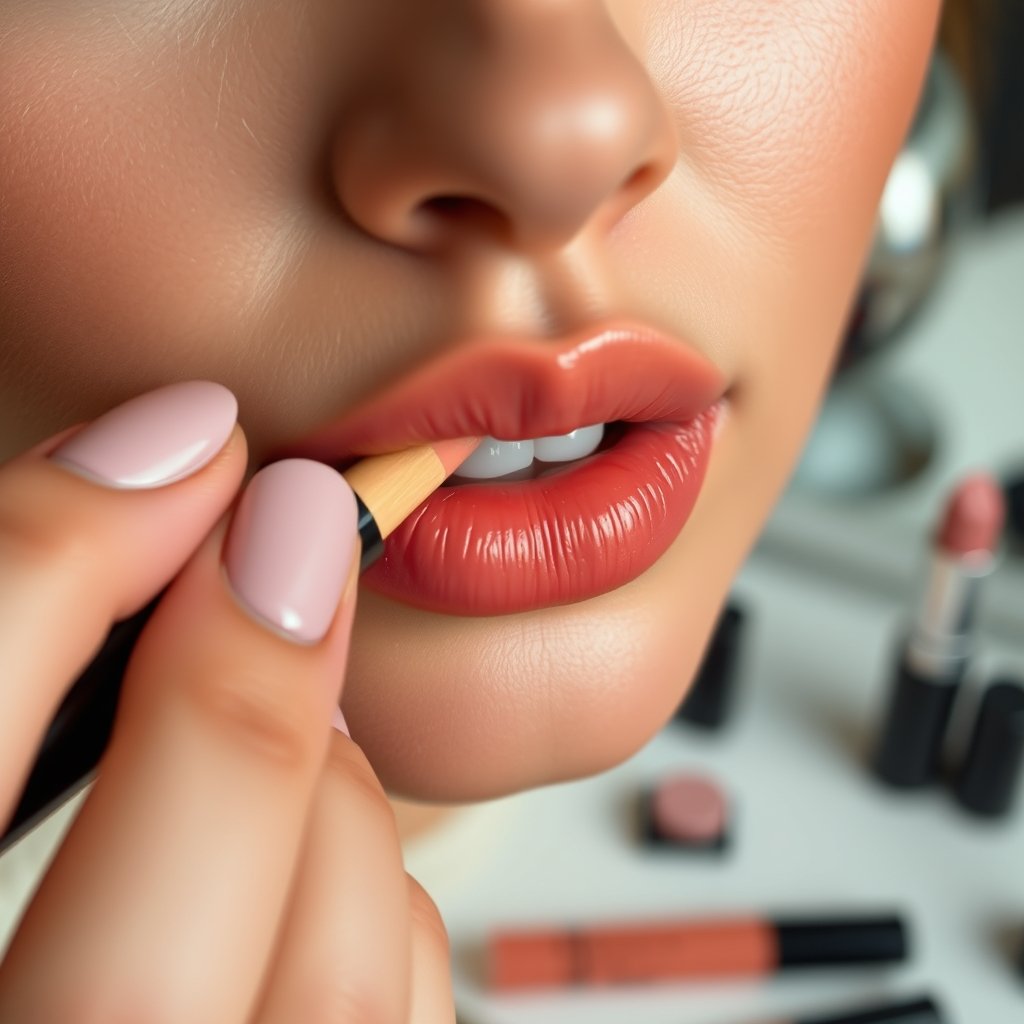
- Sketch Your Outline: Lightly trace just inside or on your natural lip line. Use short, feathered strokes rather than a continuous, solid line.
- Blur the Edges: With a lip blending brushes, fingertip, or built-in smudger, gently diffuse the liner outward. Blend 1-2 millimeters past the border for the most natural effect.
- Add Color: Dab a sheer or semi-matte lipstick in the center of your lips and blend out toward the blurring. This creates a subtle gradient.
- Set the Look: For extra staying power, tap a translucent powder around the edges or use a setting spray formulated for lips.
If you’re searching for products that hold up under masks, eating, or long wear, you may also want to experiment with a peptide lip treatment or peel-off lip stain under or over the blurred liner for added longevity.
Smoky or spicy fragrance enthusiasts can complement this look with trending scents such as Lattafa Khamrah.
Advanced Analysis & Common Pitfalls
Despite its popularity, achieving the perfect blurred lip liner effect is not always easy. Here are the most frequent challenges users encounter—and what sets the blurred method apart from traditional lip lining.
| Issue | Blurred Lip Liner | Traditional Lip Liner |
|---|---|---|
| Fading or Smudging | Edges may quickly fade if oily products are used or too much is blended outward. | Lasts longer but can look harsh as it fades. |
| Uneven Color | Patchiness can occur if lips are not prepped or product is not creamy enough. | Less prone to patchiness due to firmer formula. |
| Mismatched Shades | Requires careful matching of liner to lipstick for a seamless blur. | Contrast is sometimes intentional. |
| Time to Apply | Needs blending, which can add an extra step vs. just outlining. | Outlining is usually faster but less forgiving. |
| Transfer Resistance | Blurred liners may transfer more easily if not set well. | Traditional formulas often set harder and transfer less. |
To get the best results, avoid very waxy, dry, or long-wear formulas for blurring—they resist blending and can produce choppy edges. Instead, seek gel-like or creamy pencils that are explicitly labeled for blending (sometimes called “smudgeable” or “diffuse finish”).
Retail trends continue to favor these newer formulas. As seen in industry forecasts, brands are pivoting towards softer, lived-in aesthetics and launching not only pencils but also lip blending brushes and balms for consumers who want a blur that lasts.
Common complaints include:
- Lip color “bleeding” outside the intended area
- Liner and lipstick clumping together in dry spots
- Underestimating how much to blend (leading to ringed lips or muddy color)
- Difficulty finding shades that flatter wide shade ranges, especially deeper complexions
- Wasting product during correction—using makeup removers multiple times before success
An advanced fix: Try building up intensity slowly, letting layers set for 30 seconds before further blending. This avoids oversaturation and streaking.
For a deeper dive into the science of long-wear lip color, check out the Peptide Lip Treatment Guide.
Conclusion
The rise of the blurred lip liner is not just a passing trend—it reflects a wider movement toward softer, easy-to-apply beauty. Embracing smudged, diffused edges opens the door for creativity, comfort, and a more relaxed approach to lip definition. By following these steps, recognizing common mistakes, and choosing the right products, anyone can achieve a modern, wearable finish. For additional fragrance inspiration to pair with this look, browse our reviews of spicy vanilla fragrances and explore best practices in perfume layering.
If you want a softer and more modern pout, try the blurred lip liner technique today. Experiment, adjust your process, and discover which products work best for your lips and lifestyle.
FAQ
Is blurred lip liner better for fuller lips or thin lips?
Blurred lip liner works for both. For thin lips, the diffused edge and blended gradient can give the illusion of more volume. For fuller lips, it helps soften and balance prominent features without harsh borders.
Does blurred lip liner last as long as regular lip lining?
No, the blurred method can fade faster, especially if not set correctly or if oily products are used. You can increase longevity by prepping with a lip primer and locking in the look with translucent powder.
What is the difference between K-beauty blurring pencils and Western liners?
K-beauty blurring pencils often feature extra-creamy, gel-based textures specifically made for smudging and gradient effects. Western liners tend to be firmer and more pigment-dense for crisp definition, though more brands are launching blendable versions due to demand.
Can you use a regular lip liner for a blurred effect?
Yes, but it is much easier with a creamier or gel-based pencil. Traditional hard pencils are harder to blend and may tug at the lips, causing uneven application.
Do blurred lip liners cause feathering outside the lip line?
Feathering is possible, especially with very creamy formulas or if lips are not prepped well. Use minimal product, blend incrementally, and set with powder for best results.
[…] what else you can try? Some users report pairing their staining lip oil with peel-off lip stains or blurred lip liner to sculpt the perfect pout. With the right pairing, you get definition, depth, and hydration—no […]
[…] needs, Blurred Lips will become your most-worn, most flattering look this year. Want more guides? Explore our full liner technique guide or compare trending options in our editor-approved reviews. Try the steps above, share your […]